
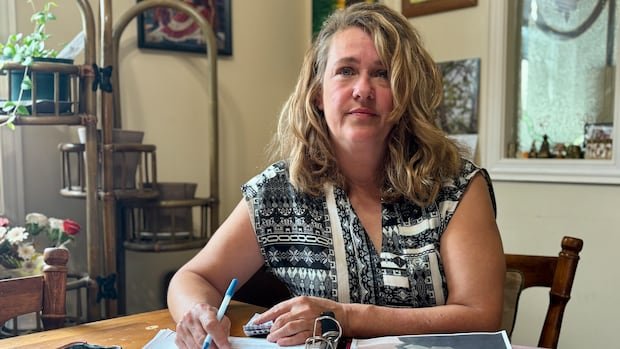
Krista MacGillivray sheds light on the gaps in support services for individuals on Prince Edward Island dealing with autism and intellectual disabilities. Her son, Julian, has profound autism, is non-verbal, and requires round-the-clock care indefinitely. At 20 years old, Julian is no longer within the school system, leaving him without a designated safe public space to turn to, according to MacGillivray.
Adults with profound autism often struggle with basic daily tasks like personal hygiene and dressing due to associated intellectual limitations or limited communication abilities. MacGillivray emphasized the necessity for improvements in adult programming, citing existing challenges faced by families.
Advocates recently expressed concerns to MLAs about the inadequacy of provincial funding for personal support workers, day programs, and caregiver respite, which fail to keep up with inflation. Helena Reeves, from Stars for Life, mentioned the financial strain on families who need to allocate respite funds towards day programs due to work obligations.
Natalie Walsh-Annand, of the Autism Society of P.E.I., noted that while there have been some incremental changes, individual needs often remain unmet. Transitioning from the school system can be overwhelming for families, as they navigate unfamiliar territory post-education.
The provincial government conducted an independent review of support funding, with some changes already implemented and more forthcoming in the following years. These changes aim to provide increased financial resources and flexibility for families. MacGillivray, after persistent advocacy, secured the necessary funding for her son’s care but at a considerable financial cost, including investments in security measures and specialized equipment.
The challenges faced by families like MacGillivray’s underscore the pressing need for enhanced support systems for individuals with autism and intellectual disabilities on Prince Edward Island.

