
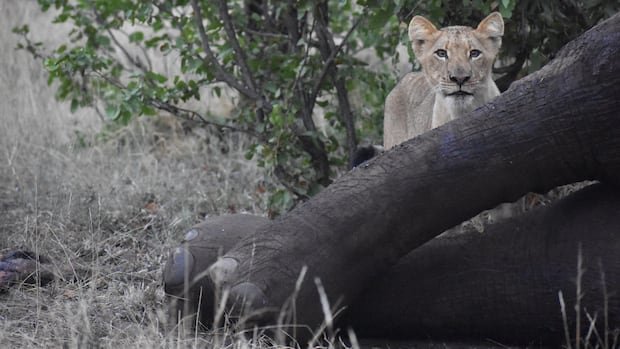

In the vast African savannah, elephants are demonstrating a lasting impact even beyond their deaths.
A recent study conducted by an international team of researchers in South Africa’s Kruger National Park explored the influence of elephant carcasses on the ecosystem. These majestic creatures, often referred to as “ecosystem engineers,” are known for their impact while alive, such as creating waterholes, altering vegetation, and toppling trees.
Lead author Courtney Reed explained, “We wanted to determine if the nutrients from elephant carcasses could continue to impact the ecosystem due to their high nutrient content, including carbon, nitrogen, and phosphorus.”
Through analyzing soil chemistry and biodiversity around these carcasses, the researchers discovered that decomposition released significant nutrients into the soil, boosting microbial activity and promoting the growth of nutrient-rich plants, attracting herbivores to the area even long after the carcass had decomposed.
The study revealed that the effects of decomposition persist for over seven years following the death of the elephants.
Initially, the nutrient-rich environment from the carcasses led to vegetation depletion, creating “cold spots” in biodiversity, according to Reed.
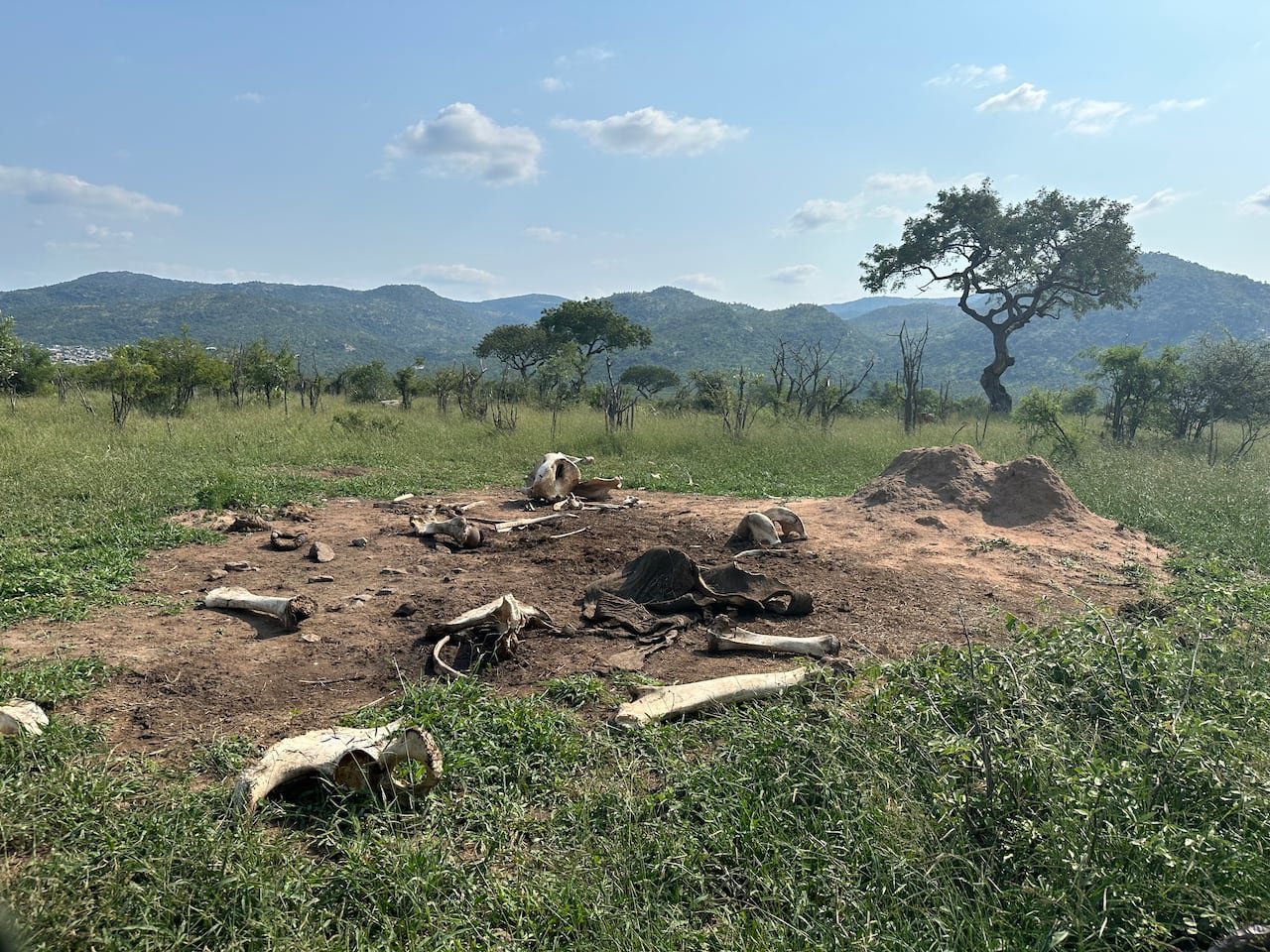
The study found that the high concentration of nutrients in elephant carcasses initially kills off vegetation around the place of decomposition, leaving large bare patches or ‘cold spots’ in biodiversity. (Submitted by Courtney Reed)
However, as time progresses, the ecosystem recovers as excess ammonium dissipates, converting into nitrate that plants can

