
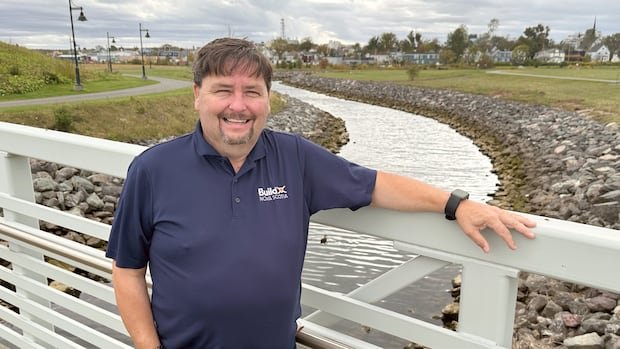
Fish populations are rebounding in the streams surrounding the former tar ponds and coke ovens locations in Sydney, Nova Scotia, signaling progress following the remediation of decades of industrial activity in Cape Breton.
The $400 million cleanup was overseen by the Sydney Tar Ponds Agency, which was later integrated into Nova Scotia Lands and currently falls under the purview of Build Nova Scotia, responsible for monitoring water quality in the streams traversing the former industrial sites.
Donnie Burke, a senior director at the agency, cited findings from an independent engineering firm indicating the effectiveness of the remediation efforts. He expressed optimism, stating that the results are consistently stable or improving.
The coke ovens area was rehabilitated by covering it with residual slag from the former steel plant, while the infamous tar ponds, previously considered Canada’s most polluted waste site, were enclosed in cement.
Coke Ovens Brook, Wash Brook, and Muggah Creek underwent cleanup, with the surrounding areas landscaped to channel surface water into the streams. Groundwater from the coke ovens was directed to a treatment facility before being reintroduced into the streams.
Following the cleanup, both sites were capped with topsoil and grass. The former tar ponds have been transformed into Open Hearth Park, featuring sports fields, a playground, and walking paths. The coke ovens site now serves as an open space for activities like cricket and snowmobiling.
Water testing indicates that the tar ponds cap is effectively containing toxins, with occasional spikes in heavy metals or industrial chemicals at the coke ovens site promptly addressed through adjustments in the water treatment process.
Ongoing monitoring has revealed positive trends, with trout eggs and fry recently observed in Coke Ovens Brook. Dr. Katherine Jones from Cape Breton University reported an improvement in the health of mummichog fish residing in the tar ponds post-remediation, noting the disappearance of previous health issues.
Burke reiterated the government’s commitment to monitoring the sites for 25 years, with regular updates available on Build Nova Scotia’s website. About halfway through the monitoring period, the situation continues to show positive progress.
Further studies are planned to assess the impact of the remediated sites on local fish populations, including DNA testing to determine their origins. The efforts reflect a concerted push towards environmental rehabilitation and sustainable development in the region.

