
A cluster of farmers relaxes beneath a Jamun tree, discussing the recent buzz in their village: Google’s impending arrival. Teaming up with India’s Adani Group, Google is constructing a colossal $15 billion US AI data center hub in and around Visakhapatnam, a bustling port city on India’s eastern seaboard.
Bali Narasingha Rao, a farmer owning one acre in Tarluvada, reluctantly sold his land for 17 lakhs, approximately $25,000, feeling uncertain about what lies ahead. With over 260 acres being cleared, the largest of three sites, Rao lamented the loss of their land, a vital source of livelihood, as some village leaders indicated that the data center settled there due to lack of interest from other countries.
Suddenly thrust into the AI surge, the Andhra Pradesh state government eagerly embraced Google’s five-year, multi-billion dollar investment spanning more than 600 acres across three locations. State officials laud the move as a pivotal step towards attracting fintech firms, banks, and AI startups, emphasizing the strategic importance of creating an ecosystem rather than a solitary venture.
Nevertheless, environmentalists and human rights advocates have raised concerns over the fast-tracked approvals and the potential drawbacks outweighing the benefits of the project. Despite the opposition, the government remains steadfast in its support, offering land discounts and concessions on water and electricity tariffs for a decade to entice Google.
While proponents tout the economic advantages of the data center venture, skeptics like Deeksha Vanguru voice reservations, viewing it more as a real estate venture rather than a transformative initiative. The government projects the creation of up to 150,000 indirect tech-related jobs and thousands of construction roles annually, although critics argue that the permanent job opportunities will be limited.
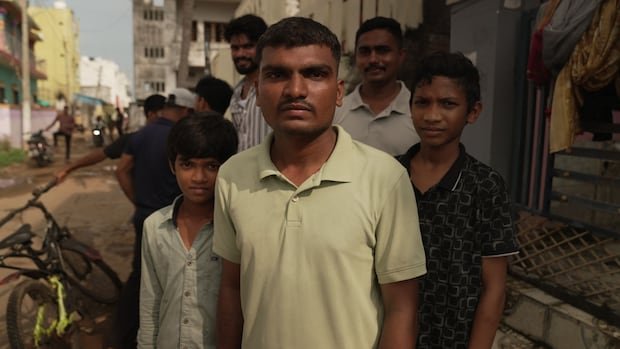
In the rural village of Tarluvada, discontent brews among the youth, concerned about the data center’s impact on their community. Expressing apprehensions about employment prospects and the loss of ancestral lands, residents fear potential water shortages exacerbated by the facility’s operations.
Google has reassured residents that an advanced air cooling system will mitigate water usage, limiting consumption primarily to restrooms and kitchens. Despite facing legal challenges, the project is on track for partial operation by 2028, featuring subsea cables for enhanced data connectivity off the Visakhapatnam coast.
While tech enthusiasts like Sudeep Pillarisetty anticipate a surge in data science and engineering roles, local residents like Bali Sanyasa Rao are wary, emphasizing the significance of the land as a lifeline for future generations. As the project progresses, the community remains divided on whether the data center will be a boon or a bane for their village.

