
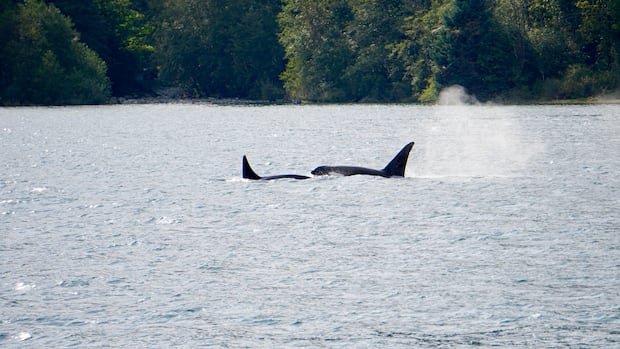
Renowned researcher John Ford has devoted over four decades to studying the distinctive calls of West Coast orcas. Thanks to a new online database, his extensive recordings are now accessible to the public, raising hopes of enhancing whale detection and safeguarding them from vessel collisions.
Ford, a distinguished scientist with Fisheries and Oceans Canada, initiated his orca sound collection during his graduate studies in the late 1970s. He discovered that different orca subgroups utilize unique calls to communicate and maintain family bonds over vast distances while hunting.
The calls, which are remarkably consistent over generations, serve as a key aspect of orca communication and social structure. These findings have been immortalized in a comprehensive online call catalogue by Simon Fraser University’s HALLO project, allowing users to explore calls from various orca populations and filter them by clan and pod.
This groundbreaking tool enables citizen scientists monitoring orca populations to identify and protect these majestic creatures from potential threats, particularly from ship strikes. The critically endangered southern resident orcas, numbering only 75 individuals, are especially vulnerable to such incidents.
SFU environmental science professor Ruth Joy emphasized the significance of the database in aiding conservation efforts and raising awareness about the intricate language of killer whales. While the current catalogue focuses on specific orca populations, Ford envisions its expansion to include additional groups worldwide, fostering a deeper understanding of orca vocalizations globally.
The initiative marks a pivotal moment in orca research, providing unprecedented access to valuable data for conservationists, researchers, and enthusiasts alike.

