
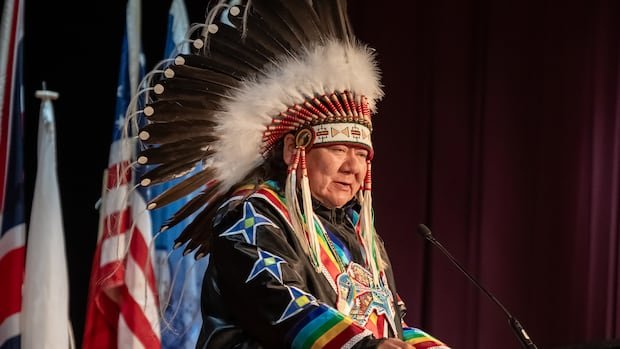
Two Indigenous communities are opposing the development of Bell Canada’s artificial intelligence (AI) data center to the south of Regina, citing a lack of consultation and insufficient information regarding its environmental impacts. Standing Buffalo Dakota Nation has expressed concerns to Bell’s CEO about the construction on what they consider “unceded traditional Dakota territory” without proper consent or consultation. Chief Rodger Redman emphasized the importance of consultation due to their sovereignty and treaty land rights.
The Standing Buffalo Nation has given Bell a deadline to acknowledge their letter and arrange a meeting with provincial representatives. The community, although not part of Treaty 4, is protected under the Indian Act and is firm on asserting their sovereignty in the decision-making process. They are prepared to take legal action if necessary.
Despite the partnership with George Gordon First Nation, Redman insists that consultation with all affected Indigenous communities is essential. He highlighted the need for transparency and equal disclosure about the project’s details to all Nations involved. Standing Buffalo is already engaged in a legal battle over their right to consultation, emphasizing the importance of their consultation framework.
Chief Redman raised concerns about the lack of information on the project’s potential environmental impacts on water sources, wildlife, and agriculture. He questioned the absence of studies on geographical and hydrological aspects, as well as the management of electronic waste produced by the data center.
Carry the Kettle Nakoda Nation has also called for a pause in the construction of the data center until a thorough environmental assessment is conducted. Chief Cliff Thomson expressed worries about water scarcity and environmental impacts on their community, urging meaningful consultation and adherence to Treaty 4 rights.
Bell Canada reiterated its commitment to engaging with local communities and Indigenous groups on the project. They assured compliance with regulatory and environmental standards and pledged to provide necessary information through proper channels. Premier Scott Moe’s office affirmed their support for the project, emphasizing adherence to environmental assessments and regulatory requirements to mitigate potential impacts and ensure compliance with legislation.

