
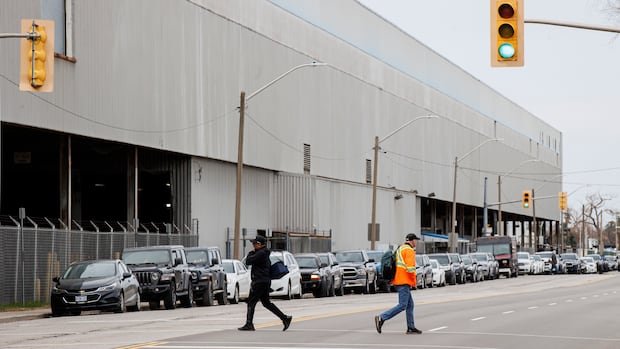
Stellantis, a major global car manufacturer, has attributed recent extended layoffs at its Windsor, Ontario plant to tariffs and shifting consumer demand in North America. The company disclosed that the facility, which houses over 6,400 workers, has been temporarily shut down for the past two weeks and will continue to be idle for an additional three weeks starting later this month. According to a company spokesperson, the decision to halt operations aligns with Stellantis’ ongoing efforts to adapt its manufacturing activities in response to market dynamics, including consumer preferences and tariff impacts. The plant is scheduled to be non-operational during the weeks of October 19, 26, and November 2.
These layoffs have introduced a period of uncertainty for Stellantis employees in Windsor, particularly those involved in the production of Chrysler Pacifica minivans and Dodge Charger muscle cars. The situation is further complicated by stalled contract negotiations between Stellantis and Unifor, the union representing the workers. A primary point of contention in the talks is the future of the company’s assembly plant in Brampton, Ontario. Stellantis has expressed intentions to sell the plant citing market conditions, a move strongly opposed by Unifor.
Despite the ongoing negotiations, Stellantis clarified that there have been no developments in the contract discussions, and employees are currently abiding by the terms of the expired collective agreement that lapsed on September 20. James Stewart, the president of Unifor Local 444, which oversees the Windsor auto workers, expressed disappointment over the increased downtime caused by the recent layoffs. Stewart emphasized the importance of securing more product allocations for Windsor and the Etobicoke casting plant in the bargaining process.
In a social media post, Stewart mentioned that employees would receive updates on the negotiation progress upon their return to work. He assured them of an upcoming informational leaflet detailing the latest developments and future expectations in the bargaining process. The situation remains tense as both parties navigate the challenges posed by the tariffs and market conditions affecting the automotive industry.

