
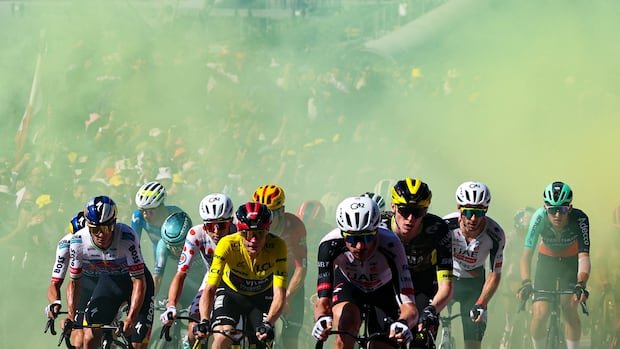
As cyclists from around the world gather in Montreal for the UCI Road World Championships, a shadow of concern hangs over the event.
This year, at least 11 cyclists have lost their lives in professional races and training sessions, adding to a concerning trend of injuries and fatalities in the sport.
Despite advancements in safety equipment and the development of faster bicycles, a fundamental question remains in the cycling world: when should safety take precedence over speed?
Currently, the average speed of the Tour de France winner is 43.3 km/h, established in 2026 — a significant 19 km/h faster than the average speed set by the winner a century ago. Riders now reach speeds exceeding 100 km/h on descents.
The governing body, Union Cycliste Internationale (UCI), and SafeR, an international safety taskforce, are contemplating safety measures such as wider handlebars that could potentially reduce speeds. Other proposed solutions include selecting safer routes, real-time rider tracking, and incorporating protective gear like airbags.
This safety discussion has divided the cycling community, with some riders advocating for speed while others, like Adam Hansen of SafeR, express reservations about slowing down the sport.
“It’s difficult for me to comprehend this because the essence of the sport is to maximize speed,” said Hansen, a former professional cyclist from Australia and the current head of the pro cyclists’ union.
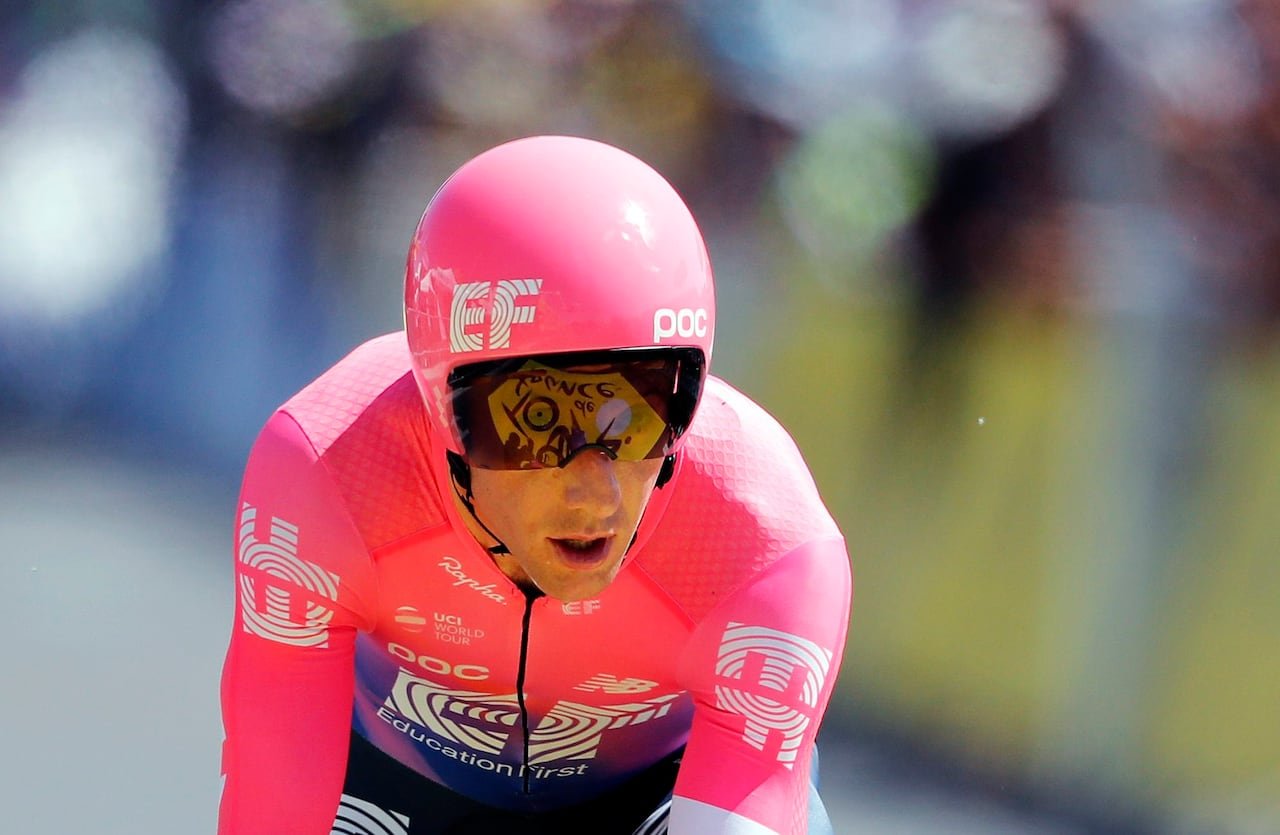
Others, such as Canadian cyclist Michael Woods, who estimates experiencing 30 to 40 crashes, emphasize the necessity for changes to avert future tragedies.
“The bike I ride now compared to my first racing bike in 2010 is like night and day,” said Woods, who competed across Europe and won a stage in the 2023 Tour de France.
“The speeds achievable are much higher now. However, safety regulations have not kept pace, making the sport considerably more perilous.”
GPS Tracking
Woods and Hansen advocate for mandatory GPS trackers in all races, a measure being implemented in Montreal. These trackers, positioned beneath the saddle, can relay real-time data to aid in immediate response in case of accidents.
Following the tragic death of 19-year-old British rider Finlay Tarling at the Volta race in Portugal on Aug. 14, the UCI emphasized the urgent necessity for a dedicated safety system to track the real-time location of riders and vehicles at professional road cycling events.
The UCI’s statement underscored the importance of collaboration among stakeholders to address safety concerns collectively.
Muriel Furrer’s Impact
In response to the tragic incident involving Swiss cyclist Muriel Furrer at the 2024 championships in Zurich, GPS trackers were introduced in pro cycling at the UCI Road World Championships in Rwanda last year.
Furrer, an 18-year-old Swiss cyclist, suffered a critical injury during the 2024 championships

