
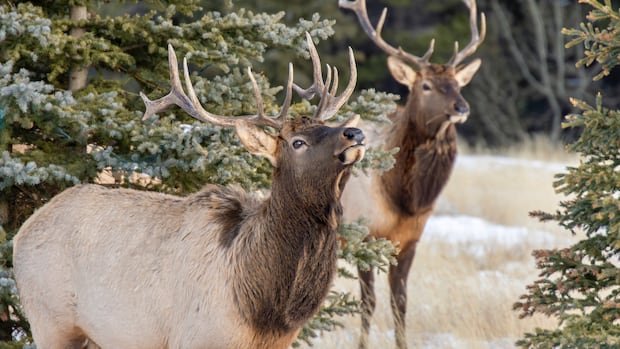
A recent study conducted in 25 Canadian national parks revealed that elk were implicated in approximately 60% of aggressive wildlife incidents. Data gathered by Parks Canada from 2010 to 2023 was scrutinized to ascertain the circumstances surrounding these encounters. The research highlighted that most confrontations occurred during tranquil activities such as hiking, wildlife observation, sightseeing, and leisurely walks in town.
The study focused on five animals: elk, mule deer, coyotes, grizzlies, and black bears. Elk were predominant in over 60% of the nearly 3,000 aggressive interactions. Notably, they were involved in more than half of the encounters linked to adventure sports like mountain biking and a staggering 80% of incidents at campsites. Elk were also found to be more frequently engaged in encounters within town settings compared to other wildlife.
Study author Shashank Balakrishna underscored the misconception surrounding the perceived threat posed by elk, attributing it to their herbivorous nature. Balakrishna emphasized that people often underestimate the potential danger posed by large herbivores like elk.
Nick de Ruyter, program director at the Biosphere Institute of the Bow Valley, expressed little surprise at the study’s findings. He noted that elk are commonly present in and around the Town of Banff as a strategy to avoid predators. De Ruyter cautioned that people’s familiarity with elk might lead them to perceive the animals as docile, ultimately resulting in risky behaviors such as attempting to feed or take selfies with them.
The study disclosed that a significant portion of encounters, categorized as “aggressive encounters,” encompassed behaviors like stomping, bluff charges, and animals chasing individuals. Notably, actual attacks accounted for merely 1.6% of these encounters.
Bears were implicated in 27% of aggressive encounters, with grizzly bear interactions often linked to low-impact activities like hiking and walking. De Ruyter emphasized the importance of making noise while traversing areas where visibility is limited, as quiet approaches could lead to unexpected wildlife encounters.
Coyotes and mule deer were associated with fewer aggressive incidents, primarily occurring in urban settings. De Ruyter highlighted hiking and walking as prevalent park activities, potentially contributing to the frequency of wildlife encounters during these pursuits.
In conclusion, de Ruyter stressed the significance of maintaining a safe distance from wildlife, recommending carrying bear spray even in populated areas. He advocated for informed decision-making and adequate preparedness while enjoying outdoor activities in wildlife-rich environments.

