

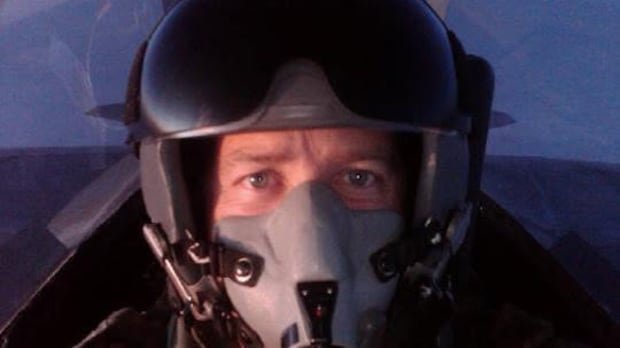
Stephen Fuhr earned the nickname “Picasso” during his time as a fighter pilot in the Royal Canadian Air Force (RCAF). Instead of following orders to create precise attack maps, his abstract drawings led to the moniker inspired by the renowned cubist artist, as per former military sources. Now, at 57 years old, he serves as Canada’s secretary of state for defence procurement.
Leading the Defence Investment Agency, established by Prime Minister Mark Carney’s administration last year, Fuhr oversees the expedited procurement of billions of dollars in military acquisitions. His swift ascent from a CF-18 pilot to his current position involved controversy within the military community due to his vocal opposition to acquiring American F-35 aircraft upon retirement in 2009.
Despite strained relations with the RCAF, particularly regarding fighter jets, radar planes, and helicopter replacements, Fuhr remains resolute in his convictions. His passion for aviation dates back to childhood, sparked by model airplane competitions with his grandfather, which fueled his love for speed and flight. Beyond his political duties, Fuhr finds solace in flying his personal aircraft, a Van’s RV-8, often describing it as his “happy place.”
Facing challenges such as the rebuilding of his home destroyed by wildfires in 2023, Fuhr’s political responsibilities continue to grow. With proposed legislation granting him expanded powers to safeguard Canada’s economic security through sole-sourced contracts, he aims to revolutionize the military procurement process by fostering domestic production and global partnerships.
Recognized for his background as a CF-18 pilot, Fuhr’s tenure as a member of Canada’s elite “top gun” club carries weight. However, he remains a divisive figure within the fighter pilot community, with some questioning his operational credibility due to his lack of experience in conflict zones. Despite criticisms, Fuhr’s dedication to reshaping Canada’s military procurement landscape remains steadfast.
Embracing his role as a key decision-maker in defense acquisitions, Fuhr’s open and approachable demeanor at trade shows and media engagements makes him a sought-after figure by lobbyists and industry executives. Under his leadership, procurement initiatives such as the acquisition of GlobalEye radar planes and Colt Canada assault rifles have progressed rapidly, albeit not without friction from the RCAF regarding equipment sourcing diversification.
While disagreements persist, particularly concerning the purchase of Swedish Gripens, Fuhr advocates for the potential benefits of mixed fleets in line with practices of allied nations. Despite differing opinions, Fuhr’s commitment to modernizing Canada’s military acquisition process is crucial for national security. Open to changing his stance based on compelling evidence, Fuhr navigates complex procurement decisions with a resolute yet adaptable approach.
Refusing to discuss sensitive topics like the F-35 directly due to diplomatic sensitivities, Fuhr remains diplomatic yet resolute in his mission to secure the right equipment for Canada’s defense needs. His response to recent remarks by U.S. Gen. Gregory Guillot regarding F-35 suitability for border protection reflects his pragmatic approach amidst evolving military strategies.

