

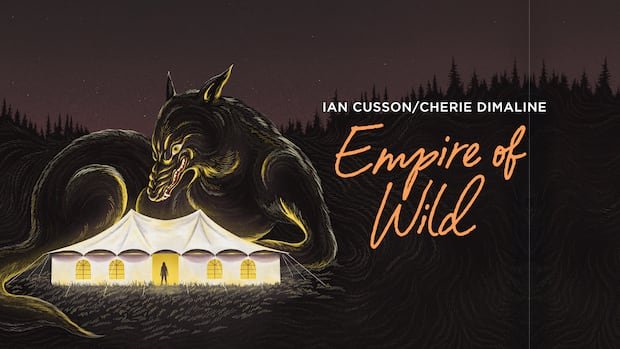
In the novel “Empire of Wild” by Cherie Dimaline, a trio of women from different generations endeavor to rescue their loved one from the clutches of a werewolf-like creature called Rogarou. Their mission is to locate a missing husband and safeguard their territory from corporate encroachment. The narrative is characterized by its raw, alluring, and emotionally charged essence, which led to it being recognized as Indigo’s top book of 2019, surpassing renowned works like Margaret Atwood’s “The Testaments” and Taylor Jenkins Reid’s “Daisy Jones & The Six.”
A substantial investment of approximately $4 million is now allocated for an Indigenous-led creative team to adapt the book into an opera, with plans for the world premiere set in Toronto next spring. This bold move aims to attract a younger audience and opera newcomers while challenging traditionalists who adhere strictly to the conventional repertoire.
“Empire of Wild” unfolds in the Penetanguishene Métis community situated in Georgian Bay, Ontario, the very place where author Cherie Dimaline was raised. Composer Ian Cusson, also hailing from the same locality, resonated with the depiction of the Rogarou in the narrative, drawing parallels to tales from his upbringing shared by his mother.
The collaborative efforts of Cusson and Dimaline sought to craft contemporary characters that could resonate with present-day audiences. This includes the portrayal of diverse individuals, including queer characters and a working-class family, facing extraordinary circumstances while maintaining a realistic dialogue reflective of modern speech patterns.
The narrative explores themes of power, resistance, and resilience as Joan, the central character, embarks on a journey to reunite with her husband amidst sinister forces at play, rooted in ancient traditions passed down through generations within a matrilineal lineage. The tale draws inspiration from Métis folklore surrounding the Rogarou, portrayed by a cast of talented performers representing various Indigenous backgrounds.
An integral aspect of the story is the concept of “survivance,” a term amalgamating survival and resistance, illustrating Indigenous peoples’ enduring cultural heritage despite historical adversities. The opera production, led by Indigenous creators, signifies a pivotal moment in showcasing Indigenous talents across diverse sectors, including opera, art, and business.
The inclusive approach to creating the opera, with Indigenous artists at the forefront, emphasizes a collaborative and equitable process where every individual’s contribution is valued. This innovative method of artistic creation, championed by Cusson and his team, aims to set a precedent for future operatic endeavors, fostering a culture of shared creativity and respect for all participants involved in the production.