

The latest tariffs imposed by the Trump administration on Canadian goods worth billions of dollars came into effect early Saturday morning as the two countries failed to reach a trade agreement that satisfied both parties. U.S. Trade Representative Jamieson Greer confirmed that the tentative deal had collapsed, stating that Canada had declined to finalize the agreement under the previously agreed terms. Greer expressed disappointment over Canada’s new demands and backtracking on commitments that disrupted the balance achieved in recent days.
The new tariffs were implemented at 12:01 a.m. ET, according to a senior administration official. Prime Minister Mark Carney confirmed the breakdown in negotiations and announced that Canada would retaliate by matching the new tariffs dollar for dollar to protect its workers and businesses. Carney criticized last-minute changes in the proposed terms by the U.S., describing them as unfair and economically unsound.
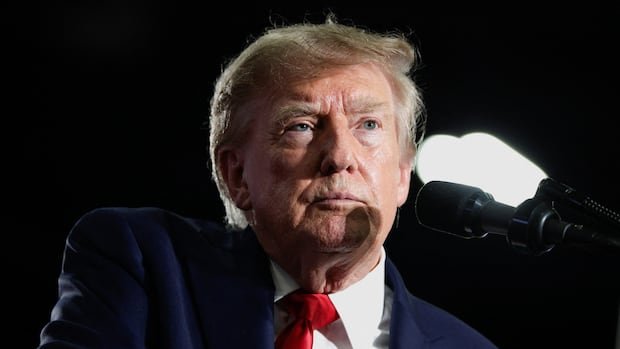
President Donald Trump did not immediately respond to the situation. The escalation of tariffs by the U.S. and Canada’s vow to retaliate mark a significant development in the ongoing trade dispute between the two nations. The trade minister of Canada held discussions with Greer in Washington, D.C., leading up to the deadline in an attempt to secure a deal.
Under the new U.S. policy, tariffs of 50% will be imposed on a wide range of products valued at over $28 billion, including plywood, cement, wine, and hockey sticks. The Trump administration justified the tariff threats as a response to Canada’s retaliatory measures against U.S. trade policies, particularly in the dairy, alcohol, and automotive sectors. The administration cited Canada’s restrictions on American liquor, dairy market access, and vehicle exports as key points of contention.
The tariffs are imposed under Section 338 of the U.S. Tariff Act, also known as the Smoot-Hawley Act, enacted during the Great Depression. This law grants the president authority to levy tariffs up to 50% on countries deemed to be detrimental to the American economy. The Trump administration’s disagreements with Canada revolve around the ban on American liquor in Canadian provinces, restrictions on American dairy access, and limitations on certain U.S. vehicle exports.

