

The N.W.T. Department of Environment and Climate Change (ECC) has observed a decrease in the number of bison road collisions in recent years. Between 2021 and 2025, there were 60 reported collisions, whereas in 2026, only one collision has been recorded so far.
According to Terry Armstrong, a Bison Ecologist with ECC, the reduction in collisions may be attributed to wildfires. Bison tend to alter their habitats in response to fires, moving towards recently burned areas to take advantage of fresh vegetation growth, which they find appealing.
The extensive areas that have been affected by wildfires in the past have possibly led more bison to opt for recovering wildfire zones rather than roadsides for vegetation, resulting in a decline in collisions.
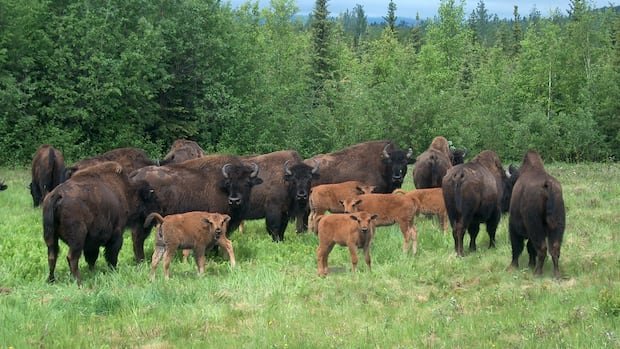
Wood bison, categorized as a threatened species both regionally and nationally, have shown signs of recovery in the N.W.T. Armstrong estimates the current population to be several thousand, with ECC’s estimates indicating slightly over 2,500 individuals.
Toyeke Adedipe, a spokesperson for ECC, highlighted that between 2021 and 2025, 76 bison fatalities were recorded due to collisions, with some incidents involving multiple bison. The majority of these collisions occurred along Highway 3, accounting for 45 incidents and 56 bison deaths.
Armstrong mentioned that the period from August to September marks the rutting season for bison, increasing the likelihood of encountering aggressive behavior on roads. During this time, bison engage in mating and territorial fights, posing risks to road users due to their lack of attention towards vehicles.
As daylight diminishes during this season, visibility decreases, particularly during dawn and dusk, heightening the risk of collisions. Armstrong emphasized the importance of driving cautiously, allowing bison space, refraining from actions that may provoke them, and never attempting to interact with them physically.
Describing bison as the largest terrestrial mammal in North America, Armstrong stressed the need to respect their space and behavior, highlighting their unique and endangered status.

