

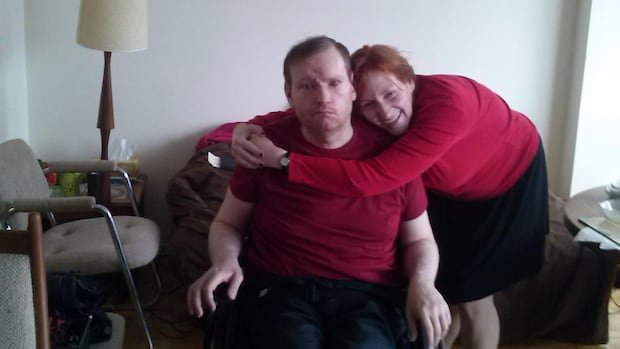
Simone Abrahamsohn, a Toronto resident, recently faced a significant life shift when her mother passed away, leaving her to take on the role of her older brother Stuart’s primary caregiver. Juggling this responsibility alongside fostering a harmonious living arrangement for two middle-aged, neurodivergent siblings has presented its share of challenges.
Stuart, who is both autistic and a survivor of a left-brain stem stroke, requires specialized care due to his hand tremor, wheelchair-to-commode transfers, and assistance with daily tasks like feeding, grooming, and exercising. Additionally, he experiences emotional lability and sensitivity to loud noises.
Abrahamsohn, reflecting on their childhood, recalls feeling embarrassed by Stuart’s introverted nature and stimming behaviors when friends visited. Despite societal misunderstandings, she emphasizes the similarities between them, acknowledging her own struggles with ADHD and the need to mask her tendencies in social settings.
As they navigate their cohabitation, Abrahamsohn strives to minimize triggers for Stuart’s outbursts, adapting her behavior to create a peaceful environment. She recounts the lack of support for neurodivergent individuals in their upbringing, leading her to distance herself from Stuart’s experiences.
Now, as their roles have reversed, Abrahamsohn embraces the opportunity to advocate for Stuart and enhance their relationship through shared decision-making and mutual respect. While sacrifices have been made, such as forgoing personal pursuits to prioritize Stuart’s well-being, she remains committed to fostering a supportive environment for both siblings.
By leveraging external assistance and adjusting their routines, Abrahamsohn is dedicated to nurturing a positive living arrangement for her and Stuart, determined not to let this second chance to strengthen their bond slip away.

