

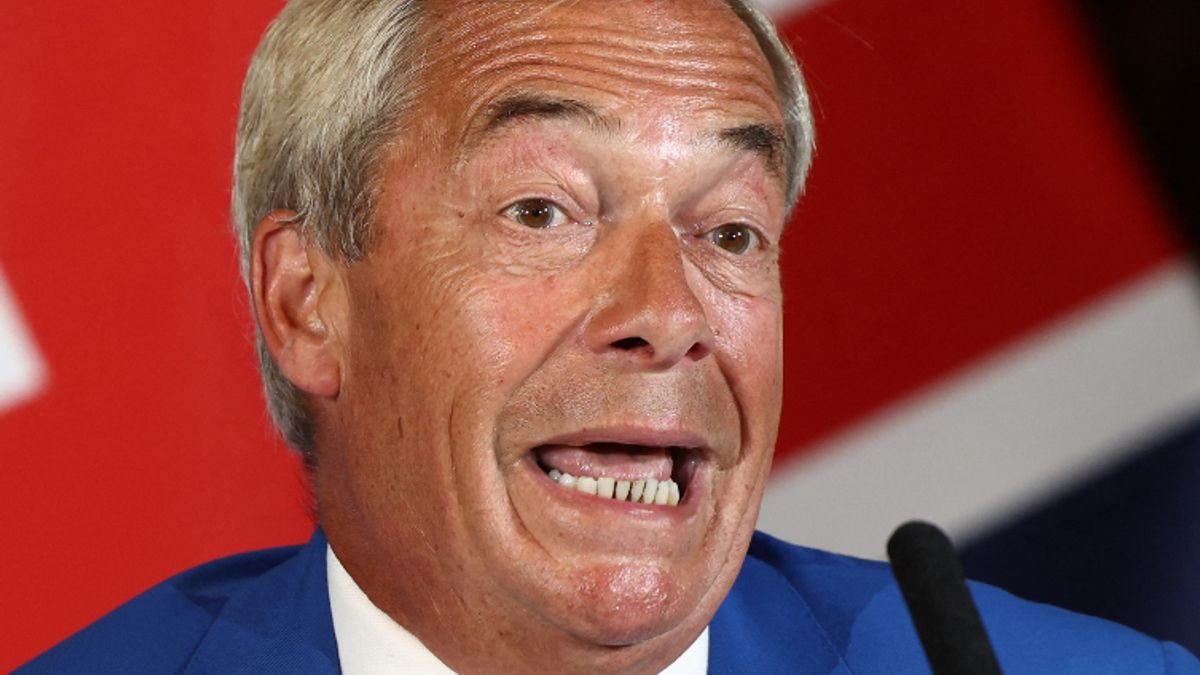
Nigel Farage has been notably silent recently amidst financial scrutiny and police investigations into donations to Reform. Unlike the past year, where he frequently engaged with journalists, invitations to his events have dwindled since the revelation of an undisclosed £5 million gift from a cryptocurrency tycoon.
Facing a decline in personal approval ratings, Farage resurfaced to address pressing issues. In an attempt to regain traction and possibly deflect attention, he returned to his familiar topic of curbing small boat crossings, a crowd-pleaser at his rallies. This move seemed more respectable than engaging in a heated by-election battle.
At a luxurious London hotel, Farage, accompanied by his self-proclaimed “Shadow Home Secretary” Zia Yusuf, announced plans to involve the navy in addressing the small boat crisis. Despite the document outlining the plan being circulated, crucial details regarding the reactions of French and Belgian authorities were conspicuously absent.
While the plan may lack depth, Farage’s strategic shift towards discussing small boats instead of financial controversies was evident. However, the challenge awaited him as journalists sought answers on various financial matters, including a reported secret deal to resume leadership.
During a press conference, Farage navigated questions adeptly, admitting to discussions about leading Reform again but asserting no definitive plans. Despite criticism and ongoing financial probes within his party, Farage managed to steer the conversation towards his strategy to combat small boat crossings.
With the press conference’s conclusion, Farage’s avoidance of specific financial inquiries and selective question handling raised eyebrows. His reluctance to engage with all journalists in attendance highlighted a shift in his approach, indicating a more cautious demeanor in the face of mounting scrutiny.
As the press awaits further opportunities to scrutinize Farage, his latest appearance showcased a calculated effort to refocus the narrative on policy matters rather than financial controversies.

