

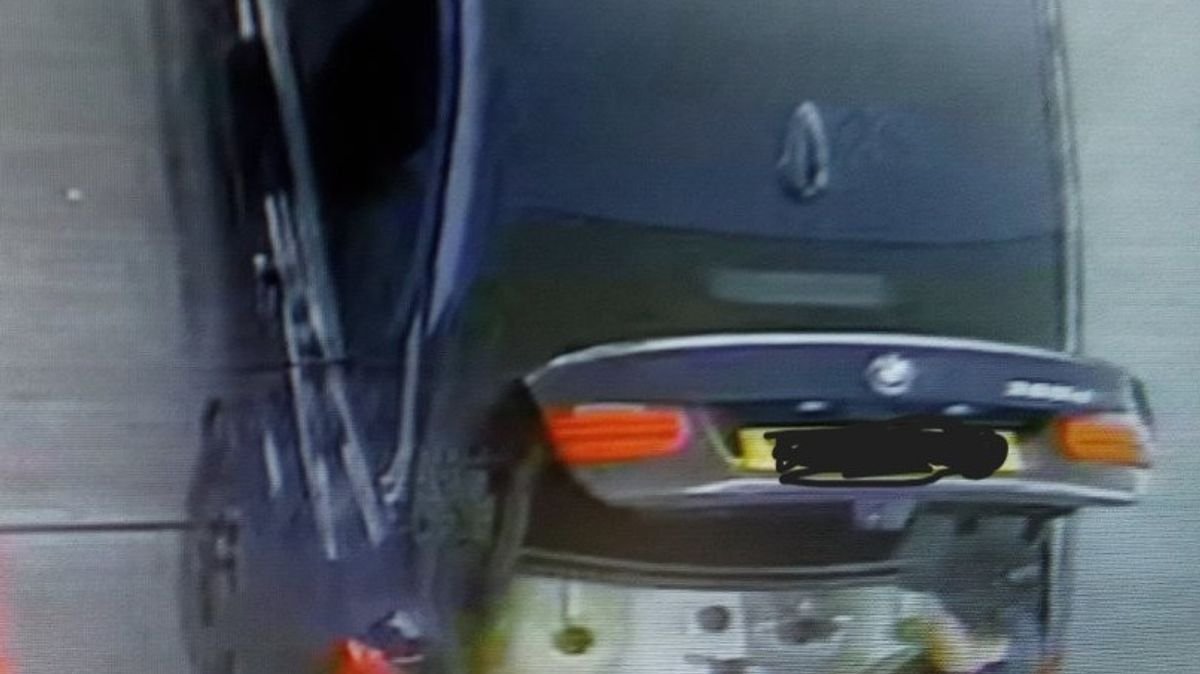
An average of close to £200,000 worth of fuel has been stolen from petrol stations every day since the onset of the Iran oil crisis. The thefts surged by 20% in the five months following the conflict that began on February 28, compared to the preceding five months, as reported by fuel theft prevention company Forecourt Eye.
The increase in fuel prices due to the war led to a 48% rise in the value of stolen fuel during that period, resulting in an estimated daily average of £194,000 across 8,359 forecourts. First-time offenders saw a 23% increase in theft incidents and a 26% rise in the amount of fuel stolen, while repeat offenders experienced a 17% increase in incidents and a 20% rise in stolen fuel volume.
These statistics are based on data from a sample of 550 forecourts and include drive-offs, where payment is not made, and incidents where customers claim they cannot pay. The average price of petrol reached 160p per litre, a 27p increase from pre-conflict levels, representing a three-and-a-half year high. Diesel prices also rose to 179p per litre, approximately 37p higher than before the war.
Forecourt Eye is providing free access to crime reporting technology to help customers record fuel thefts and other illegal activities. Users can opt to join a live facial recognition network managed by Facewatch to identify known offenders. Michelle Henchoz, the managing director of Forecourt Eye, emphasized the importance of technology in combating organized crime.
Gordon Balmer, the executive director of the Petrol Retailers Association, highlighted the growing abuse and aggression towards forecourt staff and endorsed the use of technology to prevent crime and support investigations. Ben Lawrence, a director at Lawrences Garages, noted a shift in fuel theft patterns, attributing the rise to increased living costs and debunked the misconception that all petrol stations are owned by major energy companies.
Lawrence emphasized the impact of fuel theft on smaller businesses and urged drivers to understand that failing to pay for fuel affects independent operators directly. He stressed the financial burden on small businesses when customers drive off without paying for fuel they have already purchased.

