

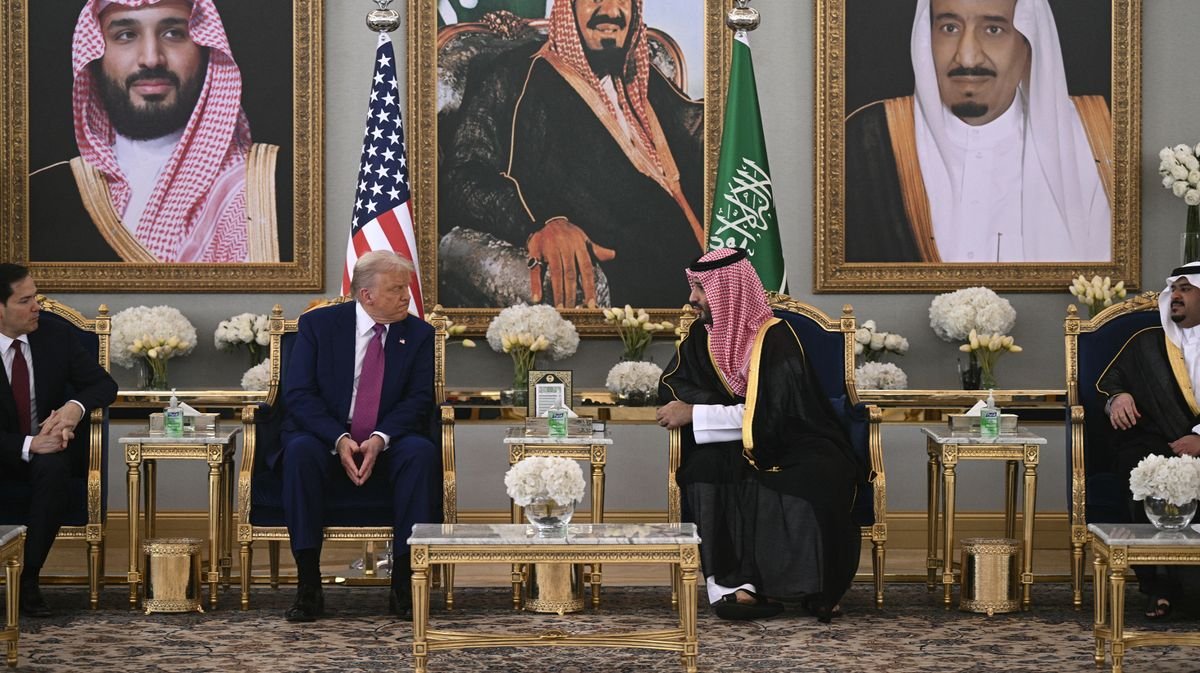
President Donald Trump has significantly eroded America’s moral standing concerning nuclear weapons with a recent decision. The United States has struck a 30-year agreement with Saudi Arabia, potentially granting the Gulf nation access to nuclear technology that Trump vehemently opposes when pursued by Iran. While Washington has gone to great lengths to prevent Tehran from enriching uranium, it is now offering a pathway to a wealthy ally in the Middle East.
The deal raises concerns as it appears that financial incentives and flattery can diminish the perceived risks of nuclear technology. Despite projecting a tough image, Trump’s willingness to engage in deals that compromise global security for personal gain is apparent. This agreement is particularly worrisome given Saudi Crown Prince Mohammed bin Salman’s previous statement indicating the country’s intent to pursue nuclear weapons if Iran does.
Rather than insisting on stringent inspections and safeguards, Trump seems content to rely on trust, both in the Saudis and himself, without addressing potential undisclosed agreements. This move comes at a time when the Middle East is growing increasingly volatile, and Trump’s actions risk weakening measures in place to prevent a nuclear arms race.
Originally, the offer of nuclear cooperation was tied to Saudi Arabia normalizing relations with Israel, a prospect derailed by the conflict in Gaza. Despite this, Trump has proceeded to grant Riyadh nuclear privileges, raising questions about undisclosed motives and potential conflicts of interest involving his family. The intertwining of public power and private profit in the Trump administration necessitates thorough scrutiny by Congress to uncover any ulterior motives behind the agreement.
The implications of this deal extend beyond the immediate risks, as a Saudi enrichment program could trigger similar demands from other regional powers and undermine the credibility of America’s nuclear policies. Trump’s approach to international agreements appears transactional, placing personal accolades above strategic considerations, which could have far-reaching consequences.
Nuclear agreements should not be treated as business opportunities, and transparency is crucial in safeguarding global security. Before Saudi Arabia progresses with uranium enrichment, full disclosure of the terms, potential beneficiaries, and any familial ties to the negotiations is imperative. The intersection of the Trump family’s business interests with sensitive policy decisions underscores the need for heightened scrutiny to prevent nuclear non-proliferation from being compromised for personal gain.

