

Following escalating tensions over the Iran conflict, President Donald Trump has been making controversial statements, hinting at potential war crimes. The pressure surrounding the situation seems to be taking a toll on him.
During a recent Oval Office encounter, Trump faced inquiries about the Iran deal, highlighting the challenges in reaching an agreement with a seemingly uncooperative Iran.
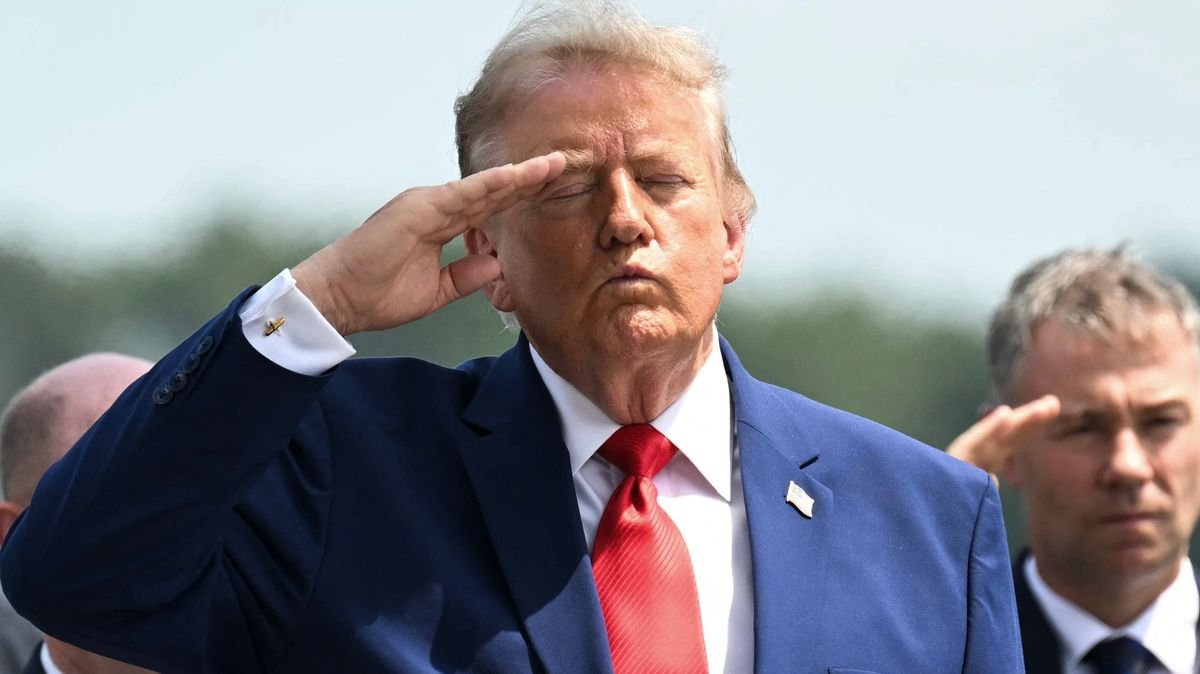
In a poignant moment at Dover Air Force Base, Trump paid respects to three soldiers killed by Iran in Jordan and Iraq. The significant costs of the conflict were also exposed during a Senate committee session, where Trump’s ‘secretary of War,’ Pete Hegseth, disclosed the staggering expenses incurred.
Amidst the turmoil, Trump took to social media platform Truth Social, issuing provocative threats of targeting Iranian infrastructure in response to military actions. Such actions could potentially violate international humanitarian laws.
Despite the contentious remarks, there are limited avenues for prosecution of war crimes within the Administration. The lack of full commitment to international agreements and legal constraints shield the President from accountability.
Hegseth faced intense scrutiny during the Senate committee meeting, where concerns were raised about the substantial military budget allocations and unspent funds from previous years.
The ongoing conflict in Iran continues to raise questions about its effectiveness, with heated exchanges between legislators and officials underscoring the complexities and challenges faced in the region.
Trump’s recent visit to Dover Air Force Base, where fallen soldiers were honored, was juxtaposed with his shifting blame tactics, insinuating fault on others for the tragic losses.
The President’s ambiguous statements regarding operational responsibilities further fueled speculation and criticism, adding to the growing scrutiny over the Iran conflict.

