

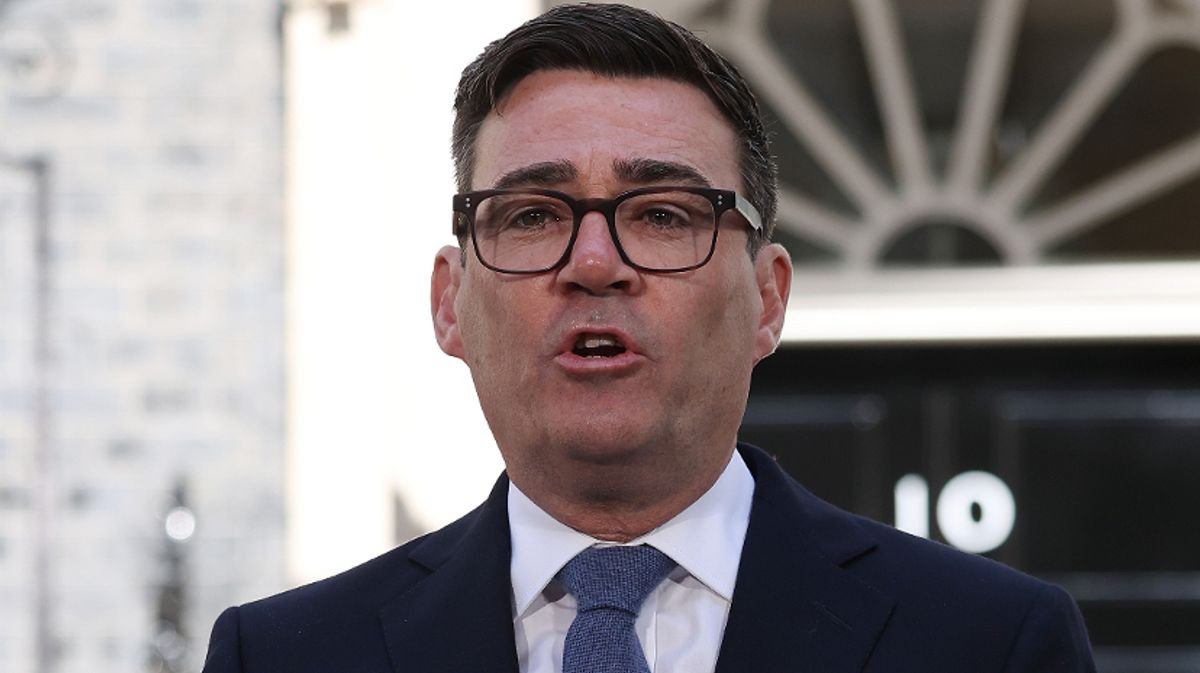
Andy Burnham and the newly appointed Chancellor, John Healey, received positive news as recent data showed a significant decrease in government borrowing for the month of June. According to the Office for National Statistics (ONS), the borrowing, which represents the variance between government revenue from taxes and expenditures, totaled £16 billion in June, marking a £7.9 billion reduction compared to the previous year. This figure was also £300 million lower than the forecast by the Office for Budget Responsibility.
The ONS attributed the notable decline in borrowing to reduced costs associated with inflation-linked debt interest. John Healey, who was unexpectedly appointed as Chancellor by Prime Minister Andy Burnham, emphasized the importance of fiscal responsibility and credibility in ensuring economic stability and national security. He expressed a commitment to working closely with the Prime Minister to uphold fiscal rules, provide a safety net against uncertainties, and enhance affordability for working individuals across the UK.
The ONS reported that central government debt interest payments dropped to £11.8 billion in June 2026, representing a £5.3 billion decrease from the previous year, albeit still ranking as the fourth highest June on record. Economist Nabil Taleb from PwC UK noted that while the recent figures offer some encouragement, the critical factor lies in whether economic plans will alleviate pressure on public finances or exacerbate it. He cautioned that ambitious initiatives must be supported by credible funding and a solid grasp on borrowing to prevent adverse financial implications.
Taleb highlighted the need for the government’s agenda to strike a balance between aspirations and fiscal prudence to avoid mounting financial strain. The upcoming months will shed light on whether the new economic policies create breathing room or further burden the financial system.

