

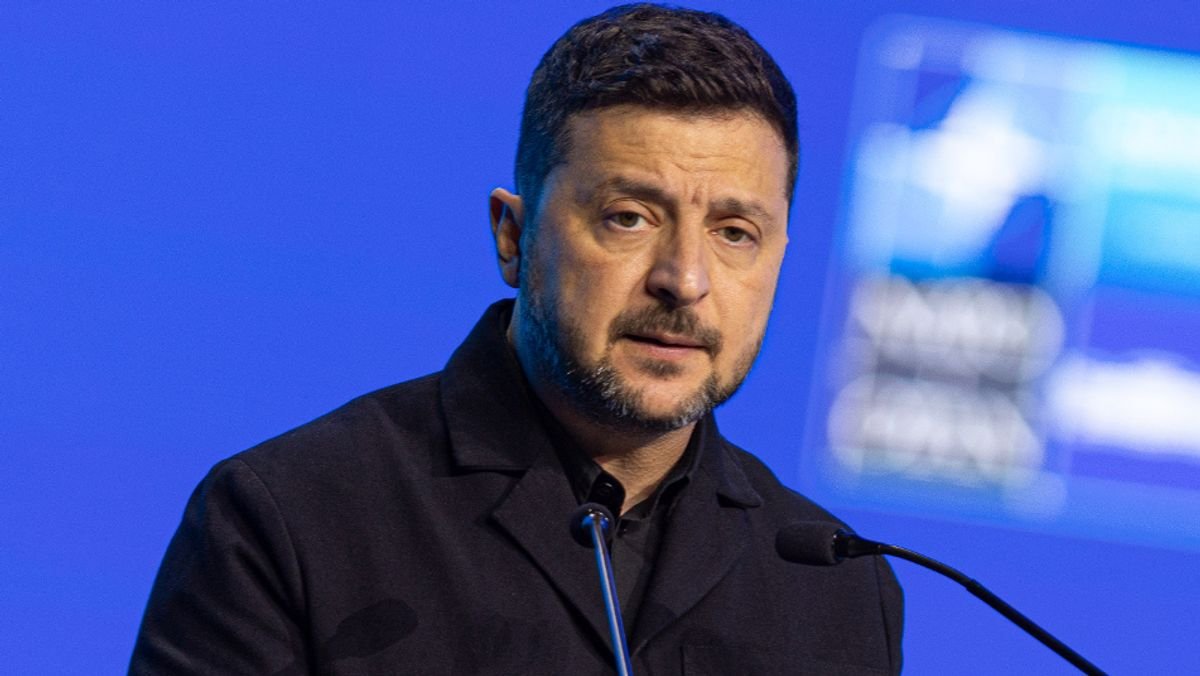
Ukrainian forces have initiated a significant drone attack on Moscow, marking the largest assault in two years, as President Volodymyr Zelensky emphasizes the potential of air superiority in securing victory for Kyiv in the ongoing conflict. Over 430 drones were deployed overnight, with 36 targeting the capital city, leading to disruptions while Ukrainian troops engaged Russian positions elsewhere. In a strategic move, Ukraine’s drone teams successfully destroyed eight oil tankers belonging to Moscow’s clandestine ‘shadow fleet’ in the sea, including a ferry and a cargo ship connecting the mainland to Crimea.
President Zelensky, speaking to the FT, highlighted the importance of strategic intelligence in warfare, stating that Ukraine has gained a competitive edge in the aerial domain. Despite encountering resistance that downed some drones en route to Moscow, the attacks caused significant damage, posing challenges for Russian President Vladimir Putin, whose military campaign in Ukraine faces mounting opposition due to fuel shortages.
The assault on Russian targets coincided with a deadly Russian ballistic missile strike on Kyiv, resulting in casualties. Ukrainian Deputy Prime Minister Oleksiy Kuleba justified the offensive as a means to disrupt Putin’s financial capabilities for sustaining the war effort, particularly targeting Moscow’s revenue-generating ‘shadow fleet.’
Zelensky is expected to advocate for increased anti-ballistic missile support at the NATO summit in Turkey to counter Russian ballistic missile threats, underscoring the urgency of defensive measures amid escalating tensions. The summit also presents an opportunity for diplomatic engagements, including discussions with key figures like Donald Trump, to address Russia’s aggressive actions and emphasize the need for international solidarity in the face of Putin’s military aggression.
The current geopolitical landscape portrays Putin as vulnerable, as Russia’s progress in Ukraine remains limited, while Kyiv continues to push back across the border. Zelensky’s call for European allies to share Patriot missile stockpiles underscores the critical need for defensive capabilities in the conflict zone. Amid concerns over escalating ballistic attacks, the global shortage of Patriot systems raises uncertainties about the adequacy of defense mechanisms against potential Russian escalations.
Amidst the ongoing conflict, Ukraine’s strategic strikes are impacting Russian society, prompting Moscow to accuse Kyiv of engaging in “terrorism” for targeting its oil refineries with drone attacks, signaling a shift in the dynamics of the conflict.

