

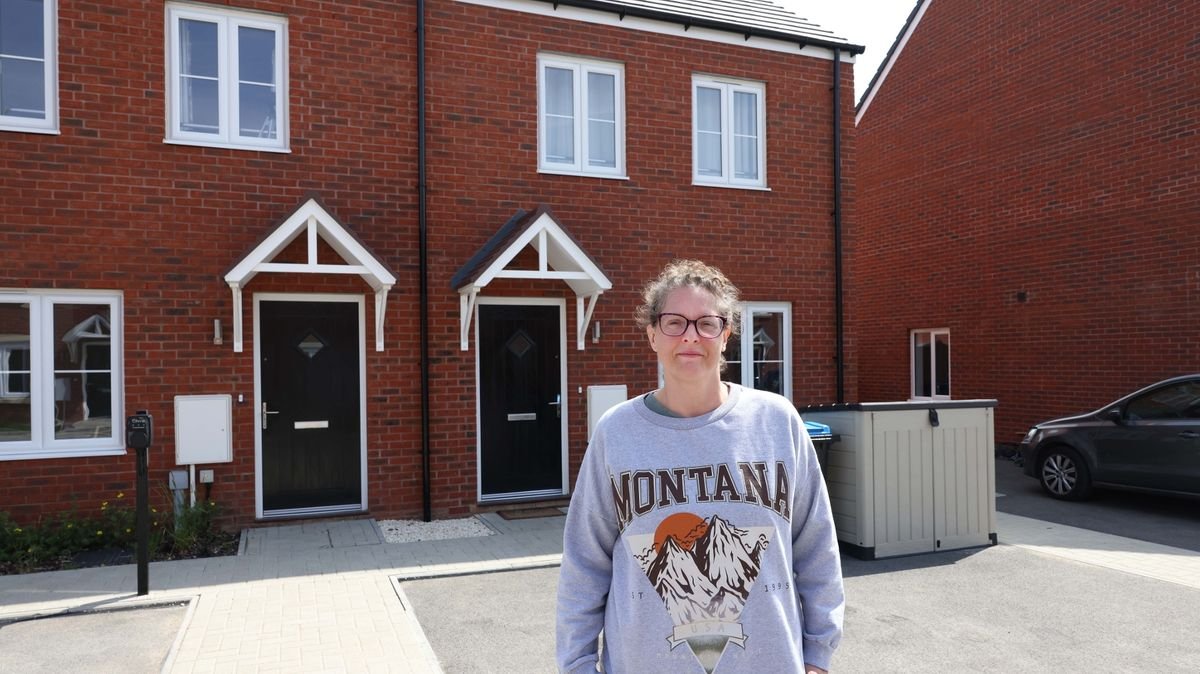
Lucy Adams, a 38-year-old single parent from Witney, Oxon, was taken aback by the intrusive questions she faced while searching for a flat to rent. Landlords and agents would delve into personal details, including inquiries about her daughter’s father. Lucy recounted feeling pressured and discriminated against due to her receipt of benefits, often being required to pay six months’ rent upfront. Some landlords even refused to show her their properties.
Reflecting on her experiences, Lucy expressed frustration at the financial barriers imposed on single parents. Despite her housing allowance being sufficient to cover the rent, she was often excluded from consideration due to her single income. Lucy’s story is echoed by over 400 other parents featured in a recent report titled ‘Locked Out, Single Parent Discrimination in the UK Rental Sector.’
The report revealed that in a survey of 412 single parents, 65% reported facing discrimination in the rental process, ranging from denied property viewings to higher deposits. Single Parent Rights, the campaign group behind the report, highlighted the prevalence of evictions among single parents, with 17% facing eviction at the end of a tenancy.
Furthermore, the research indicated that child poverty rates are significantly higher for single parent renters on Universal Credit compared to two-parent families. The call for greater legal protections for single parent families in the private rental sector has garnered support from 95% of single parents.
Ruth Talbot, the Founder of Single Parent Rights, emphasized the urgent need for policy changes to address the challenges faced by single parents in securing suitable housing. The group advocates for enhanced legal safeguards and adjustments to the Local Housing Allowance to align with actual rental costs.
Another individual, Nathan Caplan, a disabled single father from Colchester, shared his struggles with finding stable accommodation amidst health issues and financial constraints. Nathan’s experience reflects a broader issue of landlords setting stringent income requirements, making it difficult for individuals like him to access suitable housing.
Similarly, Shakeel, a freelance creative in Bristol, detailed his ordeal of homelessness following a separation from his partner. The lack of affordable housing options compounded his mental health struggles, highlighting the need for more support for vulnerable individuals seeking accommodation.
The article also features the story of a domestic abuse survivor from Surrey, underscoring the challenges faced by single parents in securing housing due to financial constraints and discriminatory practices by landlords.
While the government has taken steps to address housing issues through the Renters’ Rights Act and increased investments in social housing, advocacy groups like Single Parent Rights stress the need for more effective enforcement and comprehensive support measures for single parents facing housing insecurity.
In a positive turn of events, Lucy recently secured social housing after a prolonged four-year wait. She emphasized the value of single parents as reliable tenants who prioritize providing a stable home environment for their children.
The accounts of individuals like Lucy, Nathan, Shakeel, and the domestic abuse survivor shed light on the systemic barriers faced by single parents in the rental market, underscoring the need for ongoing advocacy and policy reforms to ensure equitable access to housing for all individuals and families.