

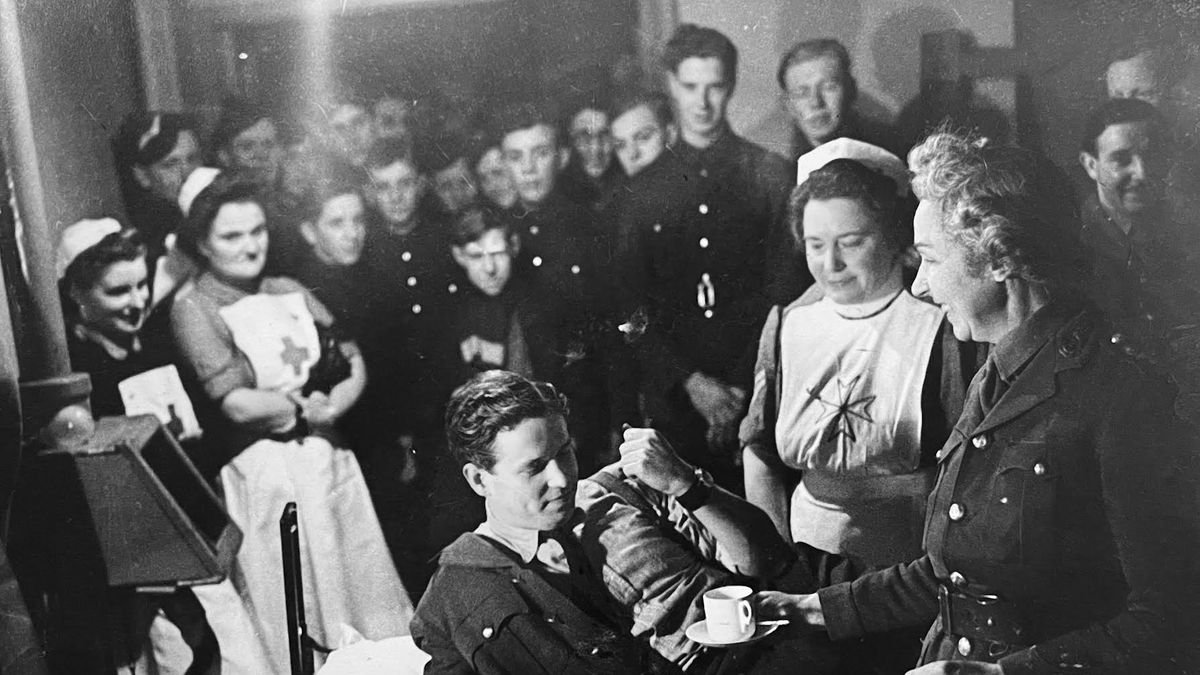
During World War Two, the Army Blood Transfusion Service (ABTS) developed life-saving techniques that continue to benefit society today. The efficient delivery of blood to the wounded on the front lines saved numerous lives. Volunteers generously donated blood, leading to significant advancements in preserving blood donations. Historian Roderick Bailey’s new book, “The Lifesavers,” commemorates the ABTS team for their exceptional service during the war.
The ABTS, under the leadership of Lionel Whitby, revolutionized blood transfusion methods. By extracting red blood cells to create plasma, the service could provide quick and safe transfusions to injured soldiers without the need for blood typing. This innovation allowed for the freeze-drying of plasma, enabling easy transport and storage even in harsh conditions.
Today, the MOD and NHS have revived these techniques, establishing dried plasma production in Cambridge. This dried plasma is now being used in current conflicts, such as in Ukraine, to aid hard-to-reach wounded individuals. Under Whitby’s command, the ABTS supplied blood and plasma to troops across various war zones, processing a substantial amount of blood each month.
The contributions of Lionel and Ethel Whitby, along with other key figures like Wing Commander Guy Gibson, were instrumental in the success of the ABTS. Their efforts in organizing blood donation campaigns and ensuring blood supply to frontline troops were crucial during the war. The ABTS’s foresight and adaptability played a vital role in saving lives, both on the battlefield and in prisoner of war camps.
Despite the challenges faced during World War Two, the ABTS’s achievements serve as a reminder of how preparedness and innovation can make a difference in times of crisis. Roderick Bailey emphasizes the importance of being ready for future conflicts, highlighting the need for sufficient blood supplies in emergency situations. The legacy of the ABTS and its dedicated members, known as the “lifesavers,” continues to inspire resilience and preparedness in facing global challenges.

