

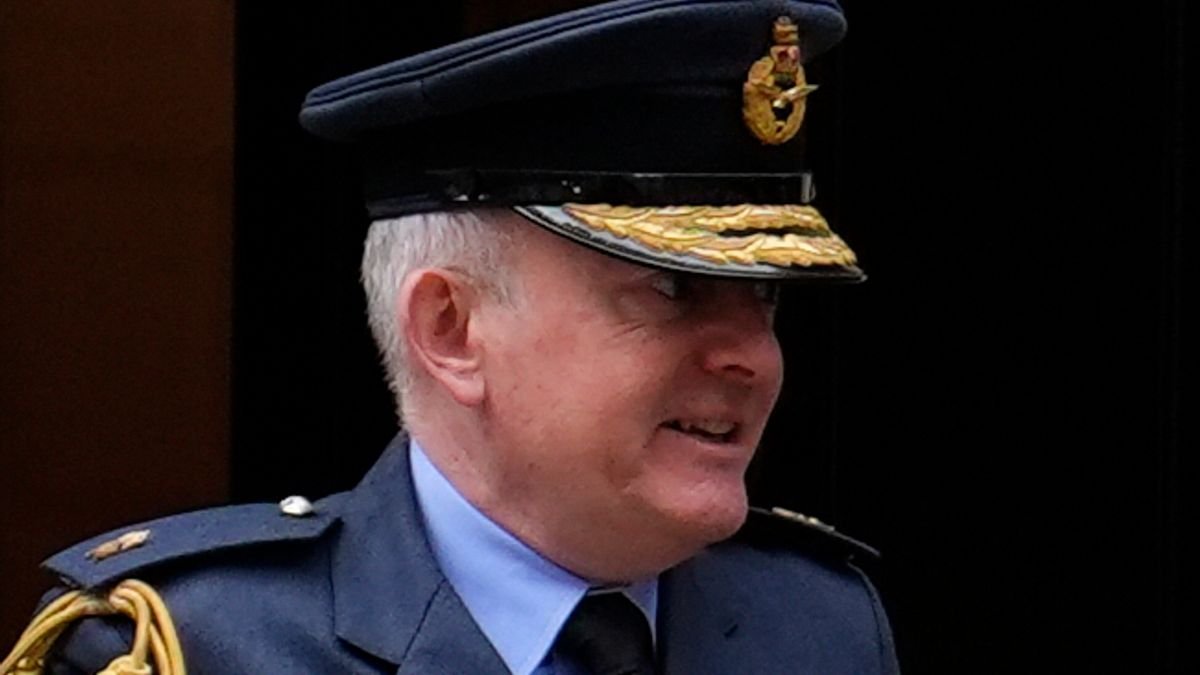
The head of the British armed forces has issued a caution that military training and operations may need to be scaled back if additional funding is not provided. Air Chief Marshal Sir Richard Knighton, the Chief of the Defence Staff, expressed his concerns about the current funding levels during a session with the Lords International Relations and Defence Committee. He highlighted the challenges posed by rising inflation and recent disagreements over defense funding.
The recent dispute led to the resignation of former Defence Secretary John Healey and Armed Forces minister Al Carns due to insufficient funding for the Defence Investment Plan (DIP). Healey criticized a Treasury proposal aimed at increasing defense spending to 2.68% of GDP by 2030, a figure he deemed inadequate for the long-term planning outlined in the Dip.
Following the proposed defense budget increase to 2.6% of GDP for the next year, the former defense secretary emphasized that this fell short of the necessary funding for the delayed Dip, which outlines expenditure on new military assets and infrastructure over the next decade. Sir Richard later addressed the Lords Committee, highlighting the mounting financial pressures on training and operations, citing an 88% surge in aviation fuel costs over the past year.
He emphasized the potential need to reduce activities and exercises if funding levels do not improve, while also mentioning the necessity to align priorities with government objectives. Prime Minister Keir Starmer defended the government’s record at the G7 summit in France, stating that the defense budget was being increased from 2.3% to 2.6% of GDP. He assured that the DIP would enhance the UK’s future capabilities and noted the reallocation of funds from other departments to support defense initiatives.
Sir Starmer mentioned ongoing discussions with the new Defense Secretary regarding spending priorities and capabilities, underscoring the current focus on determining key areas for investment.

