

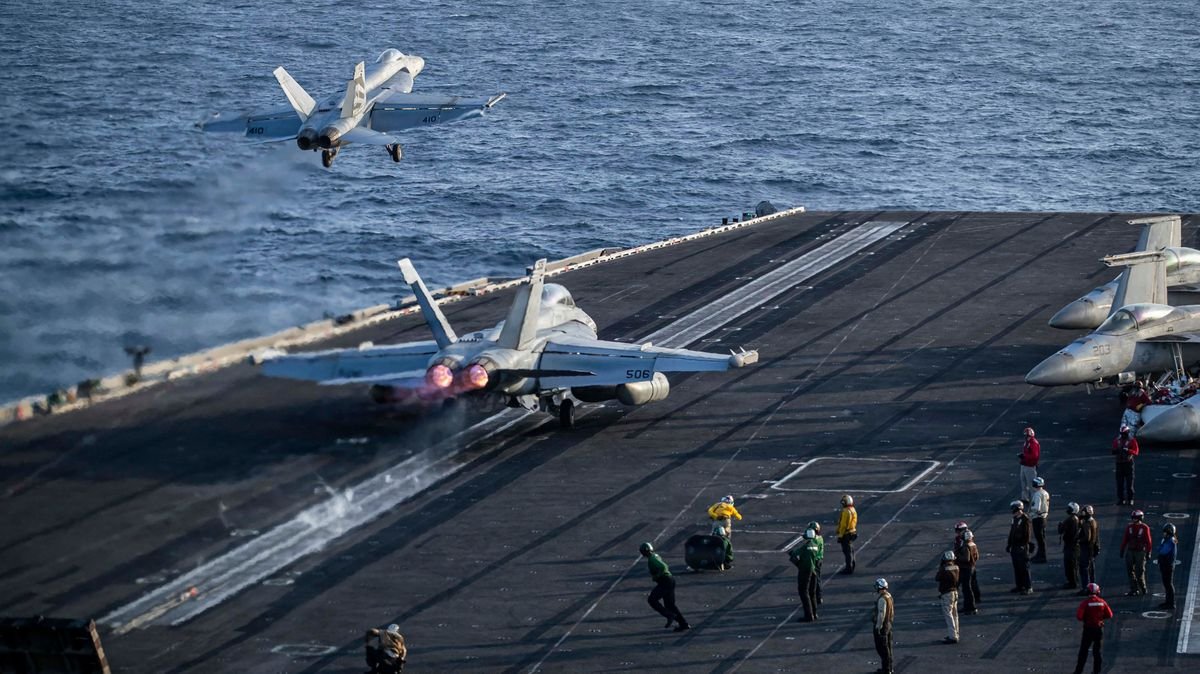
US President Donald Trump’s controversial conflict with Iran has disrupted numerous norms in war strategy, negotiation tactics, international diplomacy, and geopolitics. The operation, dubbed Epic Fury, has resulted in significant economic repercussions globally, with estimates suggesting a staggering £1 trillion loss for the world economy and £4 billion in increased fuel prices for Britain alone, impacting UK drivers for months. The conflict has inflicted casualties in the thousands and left tens of thousands injured, predominantly in Iran and Lebanon, but also affecting Iraq, Israel, and the Gulf States.
This tumultuous situation has severely undermined trust in American diplomacy as Trump reneged on his promises of non-aggression, despite his repeated assurances. The recent “memorandum of understanding” brokered through Pakistan between the US and Iran signals an unexpected agreement to halt military operations immediately and permanently. The memorandum outlines plans to reopen the strategically vital Strait of Hormuz, ease sanctions, and engage in further discussions regarding nuclear issues. However, the agreement is not a clear victory, given that the war instigated by Trump led to the strait’s closure and imposed harsh economic sanctions on Iran.
Trump’s erratic actions have exacerbated an already volatile situation, leaving a trail of chaos and uncertainty in his wake. His misguided decisions were influenced by personal animosity towards former President Obama and his administration’s nuclear deal with Iran, which Trump vehemently opposed and ultimately dismantled. The newly established memorandum sets the stage for intense negotiations over the next 60 days and aims to address the nuclear standoff and regional tensions.
Despite pledges from both sides to prevent nuclear proliferation, Trump’s misleading statements and erratic behavior have complicated the path to a lasting resolution. The unresolved issues surrounding Hezbollah’s role and Iran’s demands for reparations further complicate the prospects for lasting peace. Trump’s missteps have not only strained relations with Iran but have also heightened tensions with key allies like Israel, leading to continued regional instability and uncertainty.
In conclusion, the aftermath of Trump’s actions in the conflict with Iran underscores the challenging road ahead in achieving a sustainable peace agreement. The complex web of political interests and historical grievances will require careful navigation and genuine commitment from all parties involved to avert further escalation and foster lasting stability in the region.

