

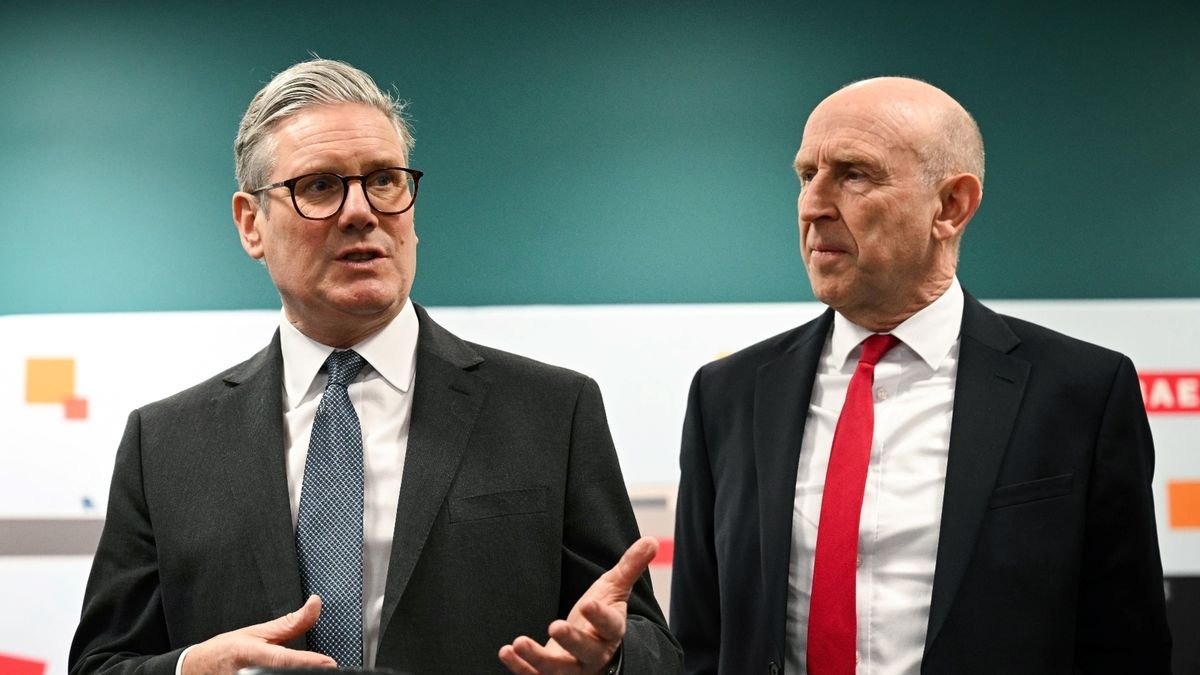
Keir Starmer’s administration faced a significant upheaval as two respected defense ministers tendered their resignations, citing severe criticisms of military expenditure plans. The Prime Minister suffered a major setback after Defence Secretary John Healey stepped down, sparking a crisis within the Ministry of Defence. Following closely, Al Carns, a former Royal Marine, also resigned from his position as the Armed Forces Minister, denouncing the “inadequate” funding for defense. Additionally, ministerial aides Pamela Nash and Rachel Hopkins also resigned in solidarity.
The government has been embroiled in a heated debate regarding the financing of the long-delayed defense investment plan (DIP), which is already significantly overdue. In a scathing resignation letter, Mr. Healey accused the Prime Minister of failing to challenge the Treasury, which he alleged was reluctant to allocate the necessary funds for national defense.
Business Secretary Peter Kyle affirmed on Friday that the DIP is still in progress and not in a state of disarray. He emphasized the complexity of the plan, which involves a substantial investment in defense to modernize and support British jobs. Mr. Starmer pledged to unveil the plan by the NATO summit on July 7th.
Following his resignation as the Armed Forces Minister, Al Carns did not rule out the possibility of a future bid for the Labour leadership and the role of Prime Minister. He clarified that his decision to resign was driven by a sense of duty rather than personal ambition.
The political landscape continues to be reshaped as Dan Jarvis assumes the role of Defence Secretary in the aftermath of John Healey’s resignation. The turmoil surrounding defense spending and ministerial exits underscores the challenges faced in securing adequate funding for the nation’s defense needs.

