

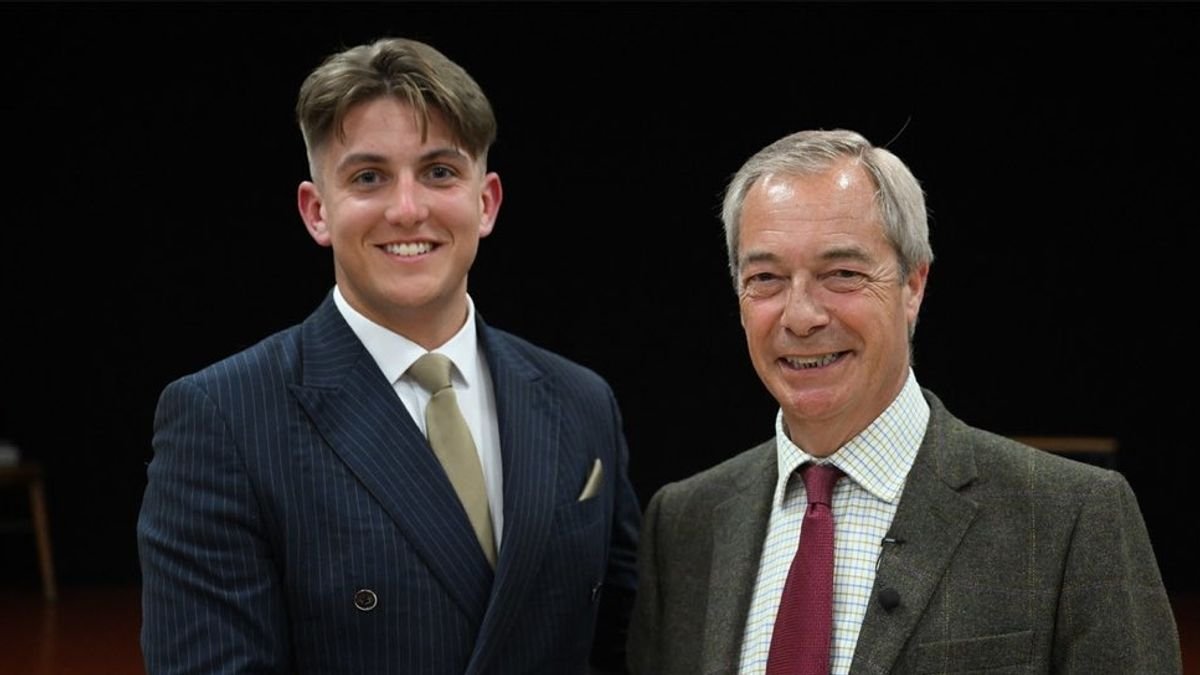
Reform UK’s George Finch, the youngest council leader in Britain, is under investigation for advocating the removal of books featuring “contested gender ideology” from libraries. Finch stated that libraries should not promote politically charged ideologies, especially to children, and emphasized the need for neutrality in educational materials. Warwickshire County Council leader Finch announced plans to address complaints from residents about certain children’s books.
Warwickshire Pride lodged a formal complaint against Finch, expressing concerns that his remarks marginalized the LGBTQ+ community. The organization criticized the notion that acknowledging LGBTQ+ individuals would compromise neutrality, calling it misleading and harmful.
Reform councilor Mike Bannister clarified that there was no evidence of staff endorsing specific literature and assured that any new policy would be thoroughly discussed with the libraries team. Finch clarified in an interview with BBC Coventry and Warwickshire Radio that his concerns were about books related to transgender issues, not sexuality.
Amidst this situation, an independent investigation found that Finch had breached the code of conduct in a separate case involving comments that could have affected a child rape case. The matter is under review, allowing Finch to challenge the verdict.
Recently, library staff in Essex, managed by Reform, were instructed against promoting events like Pride and Black History Month. While books would not be removed, the focus was on day-to-day activities. Finch aligned with his Essex counterparts, aiming to develop a comprehensive policy ensuring political neutrality in council-owned public spaces.
Warwickshire Pride criticized the treatment of LGBTQ+ identities as political ideologies, urging for inclusivity and evidence-based policies. They emphasized that libraries should remain spaces for learning and understanding, not tools for political agendas.
The Liberal Democrat group in Warwickshire expressed support for Warwickshire Pride’s stance and emphasized the independence of libraries in selecting materials. They emphasized the importance of progressing rather than regressing in promoting diversity and inclusion.
Labour MP Rachel Taylor criticized Finch’s stance, highlighting the dangers of censorship in libraries and drawing parallels to past laws like Section 28. Taylor urged Finch to focus on improving services for Warwickshire residents rather than enforcing restrictive policies.
Section 28, a law enacted in 1988 and repealed in 2003, prohibited the promotion of homosexuality in schools and councils. Taylor warned against repeating past discriminatory practices and called for a focus on community welfare over censorship initiatives.

