

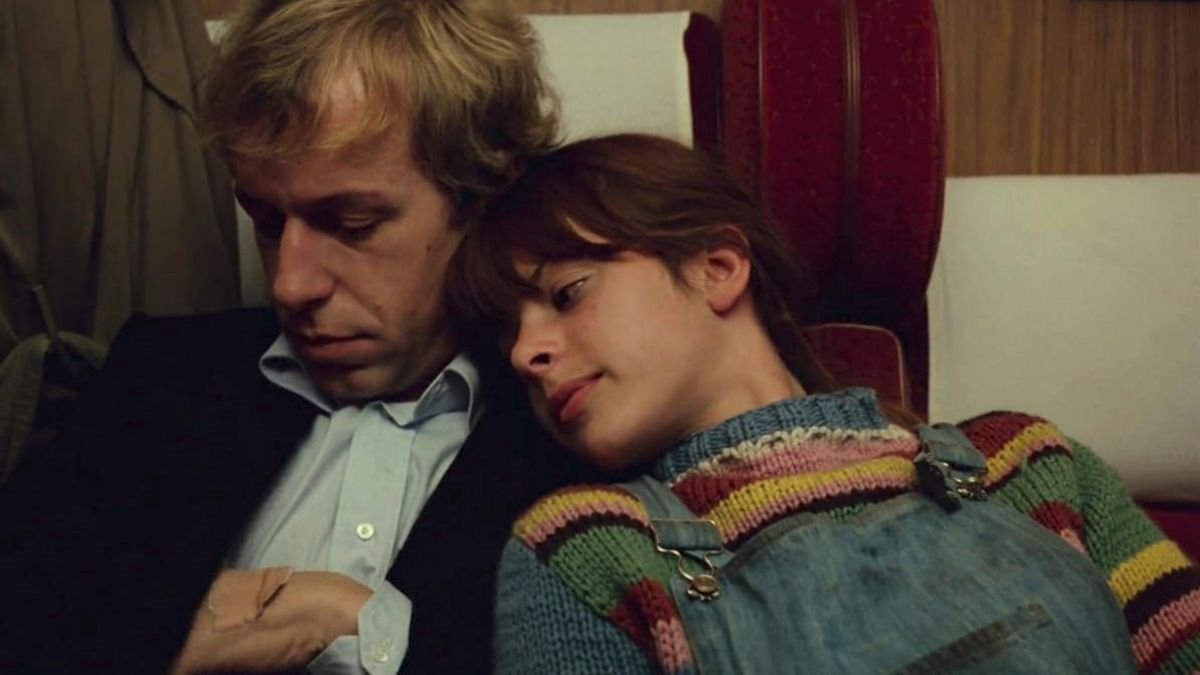
Nastassja Kinski, at the age of 13, found herself in a troubling situation while filming a scene with a 30-year-old actor who undressed and lay on top of her. Despite her young age, she sensed that something was not right. Recently, at 65, she spoke out about the lack of protection she felt during the making of the 1975 film “Wrong Move” directed by Wim Wenders.
After 50 years since its release, Wenders has finally agreed to withdraw the film from circulation, marking a significant moment that experts believe could spark a necessary reassessment of how the film industry has historically portrayed young girls.
Tanya Horeck, a Professor of Film and Feminist Media Studies at Anglia Ruskin University, emphasized the importance of honoring Kinski’s request and addressing the harm caused to a child over preserving a piece of art or a director’s ego.
The issue highlighted by “Wrong Move” is not an isolated incident in the film industry. Various instances throughout cinema history have depicted young girls in inappropriate situations on screen. The experiences of actresses like Brooke Shields, Jodie Foster, Olivia Hussey, and Sue Lyon underscore the long-standing issue of exploitation and lack of protection in the industry.
Prof Horeck stressed the need to reevaluate such productions and engage in open conversations about the context in which they were made. While not every film can be removed, acknowledging the harm inflicted on actors during filming is essential in reshaping how cinema is perceived and appreciated.
The recent actions surrounding “Wrong Move” come at a critical juncture for the MeToo movement, as concerns about ongoing exploitation and violence against women persist within the entertainment industry. Prof Horeck warned against complacency and emphasized the importance of continuing to challenge and address issues of abuse and exploitation in the industry.
The resolution between Kinski and Wenders serves as a significant step towards recognizing past wrongs and ensuring accountability within the film industry. However, the broader question remains whether the current climate will support further efforts to address and prevent similar incidents in the future.

