

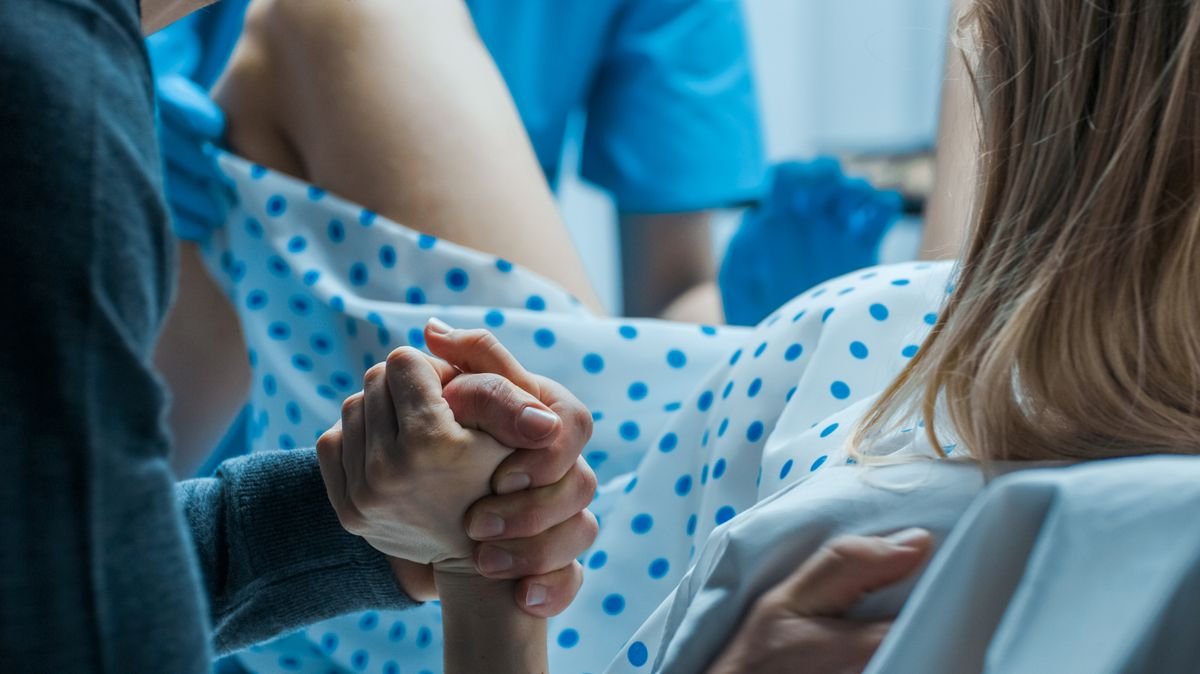
A significant increase in emergency caesarean deliveries is observed in England, with one out of every four babies now being born through this procedure. The rise in C-section births, including planned ones, over the past five years is raising concerns that it may be influenced by pregnant women’s fears.
According to a recent BBC investigation, the rate of vaginal deliveries without the use of instruments like forceps has dropped below 50%, declining from 53% to 43%. The NHS does not disclose specific reasons for emergency C-sections, and previous targets to keep caesarean rates low were abandoned in 2022.
Instances of maternity safety issues in various regions, including Morecambe Bay, East Kent, and Shrewsbury and Telford, have highlighted tragic cases of maternal and infant mortality linked to a reluctance to perform caesarean sections.
Professor Shakila Thangaratinam from Liverpool University emphasized the importance of monitoring the increase in emergency C-sections to ensure that it aligns with reduced risks of complications for mothers and babies. She stressed the need to address rising apprehensions among women, families, and healthcare personnel that could lead to more frequent recommendations for caesarean births.
Recent data analysis by BBC Verify revealed a shift in birthing trends in England, with planned caesareans accounting for 20% of deliveries and a notable rise in emergency C-sections from 18% to 26%. Comparatively, emergency caesarean rates in Scotland were at 22%, 20% in Wales, and 16% in Northern Ireland.
Prof Marian Knight, director of the National Perinatal Epidemiology Unit, pointed out a significant transformation in childbirth practices in England not mirrored in other European countries. Research conducted by her unit across 42 nations showed that England’s ranking in C-section rates escalated from 14th in 2020 to 9th in 2025, while stillbirth and neonatal mortality rates remained stagnant.
Legal claims against the NHS related to maternity issues have surged by 11% over the last five years, with questions often raised about delayed or avoided caesarean procedures. NHS England emphasized that decisions regarding childbirth methods are individually tailored based on clinical advice to ensure the safest outcomes.
Khushi, a new mother at Northwick Park Hospital in London, underwent an emergency caesarean due to fetal distress during labor. Despite the challenges and mental strain, she expressed gratitude for the successful procedure and is now focused on her recovery journey with her newborn.
As birthing practices evolve, it is crucial to maintain a balance between medical interventions and natural deliveries to safeguard the well-being of mothers and infants.

