

A significant proportion of families who have experienced the devastating loss of a child are facing extended waiting periods of six months or more for the cause of death. This delay is attributed to a shortage of qualified pathologists trained to conduct postmortem examinations on children.
To alleviate the strain on the system, Dr. Marta Cohen, a Paediatric pathologist, has come out of retirement to assist in reducing the prolonged waiting times that grieving parents are enduring. Dr. Cohen expressed grave concern, stating that the current situation is the most critical in the past two decades.
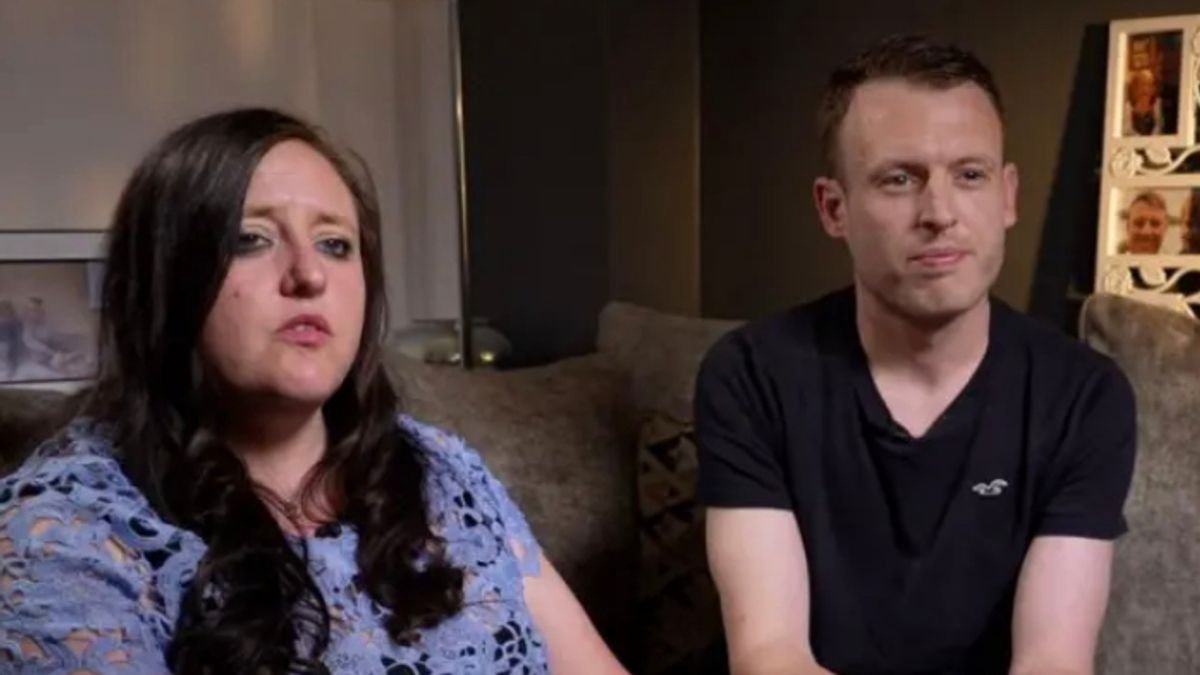
One family deeply affected by this issue is Nathan and Fiona Robinson from Doncaster, who waited seven agonizing months for a postmortem examination after the sudden loss of their two-year-old son, Alfie. In May 2022, Fiona discovered her son lifeless in bed, with no prior warning signs. The wait for answers on his cause of death was described as one of the most harrowing experiences of their lives.
The delays in obtaining postmortem results have left families like the Robinsons grappling with uncertainty and emotional turmoil. Investigations into unexpected child deaths in the UK have been hindered by a national shortage of pathologists, with over a third of positions remaining unfilled, as reported by the Royal College of Pathologists.
According to the Royal College of Pathologists, recruitment obstacles include a scarcity of qualified pathologists, financial constraints, and bureaucratic delays. Prompt resolution of these issues is crucial for families seeking closure and the ability to move forward after a tragic loss.
Sheffield Children’s Hospital, where around 500 postmortem examinations on children are performed annually, is facing staffing challenges. Dr. Marta Cohen, who now manages 85% of sudden death cases after returning from retirement, highlights the declining number of pathologists over the past two decades as a significant concern.
The government is urged to invest in training programs to address the shortage of pathologists and reduce delays in postmortem examinations. Without adequate resources, the capacity to train new pathologists is compromised, perpetuating the existing crisis.
The Department of Health and Social Care acknowledges the distress caused to families by delays in postmortem examinations and pledges to expand training opportunities within the NHS to meet critical needs in specialized fields.
In conclusion, the shortage of pathologists conducting postmortem examinations on children in the UK has led to prolonged waiting times for grieving families seeking answers. Urgent action is needed to address staffing deficiencies and ensure timely resolution for families coping with the loss of a child.

