

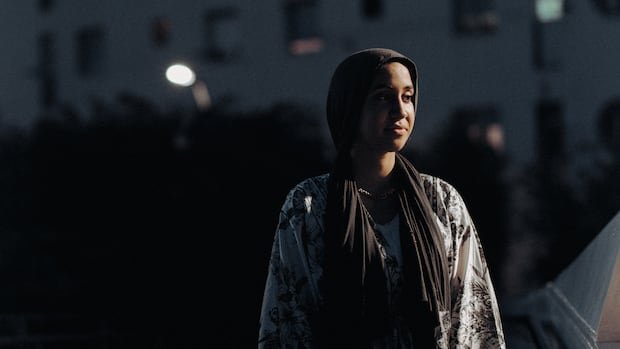
“I’ve returned to the streets,” Ikram, a 17-year-old, messaged CBC on Monday.
After enduring almost a month of sleeping in various makeshift places, including a forest, an abandoned bathhouse, and on the streets, Ikram had briefly found shelter in the Spanish enclave of Ceuta. She had stayed with a family for three days, assisting with childcare, until the work opportunity ended.
Ikram departed from the Moroccan town of Fnideq in late July, joining approximately 80,000 Moroccans and migrants from southern regions in their journey towards Ceuta. For many, Ceuta symbolizes a potential pathway to gaining legal residency in Europe.
“In Morocco, we exist, but we are not truly living the lives we desire,” Ikram expressed, noting her father’s meager income as a tailor.
While most migrants from the July influx returned to Morocco shortly after arriving, Spanish Prime Minister Pedro Sánchez reported that around 5,000 individuals remain in Ceuta. Local authorities estimate that approximately 9,000 migrants are still present in and around the enclave, which has a total population of about 80,000.
-
A Moroccan soccer player dreamed of Europe — but died on her way to Ceuta
-
Hundreds of migrants in Spain’s Ceuta enclave protest for asylum, against deportation to Morocco
Among the remaining migrants are numerous unaccompanied minors, including Ikram, living in precarious conditions.
Spain Reports Many Minors Below 13 Years
According to Jennifer Zuppiroli, a migration expert at Save the Children Spain, the Spanish Ministry of the Interior has recorded around 2,500 “children and adolescents” in Ceuta thus far.
The actual count may exceed this figure significantly.
“Various social and community organizations suggest that there could be several thousand minors awaiting identification and placement in protective services,” Zuppiroli informed CBC News. Spain’s Minister for Youth and Children, Sira Rego, stated that a considerable number of these minors are under 13 years old, with approximately 700 of them being girls.

