

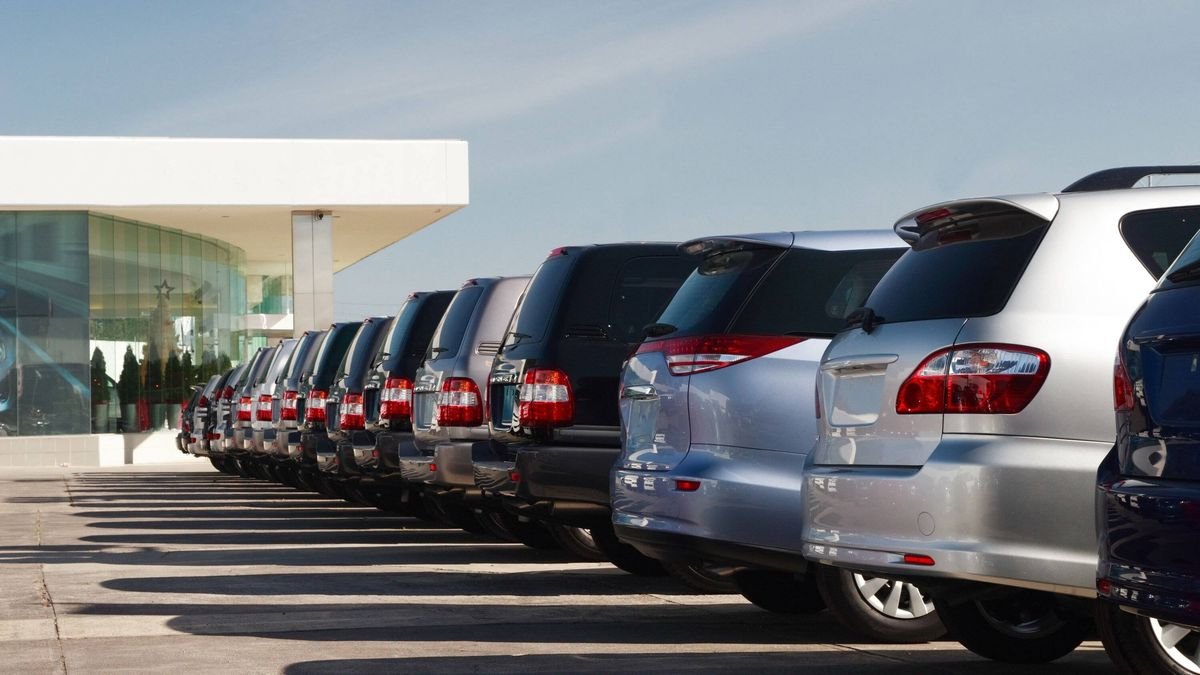
In a recent study by the Think tank Transport & Environment (T&E), it has been suggested that the increasing trend towards larger vehicles, particularly SUVs, could lead to a significant reduction in on-street parking spaces in major cities. The study highlighted concerns about the impact of this trend on road safety, with critics labeling it as “carspreading.”
The research revealed that over the years, the size of new cars has been steadily increasing, with an average annual growth of 1.2cm in length and 0.5cm in height, bonnet height, and width. If this pattern continues, it is estimated that on-street parking capacity in cities could decrease by 8.5% to 14% by 2040.
London, for instance, may face a potential loss of around 100,000 parking spaces due to this trend. T&E also warned that the rise in popularity of larger SUVs could result in approximately 400 additional road fatalities annually by 2040 across the UK and European Union, compared to a scenario where car sizes remained at 2015 levels.
According to T&E, car manufacturers have been focusing more on producing larger models despite the decreasing size of families and declining car occupancy rates. Anna Krajinska, T&E UK director, emphasized that the dominance of oversized SUVs in urban environments poses challenges for city infrastructure, leading to compromises in parking availability, public spaces, and safety.
Krajinska further stated that without regulations to limit car sizes and promote appropriate sizing, the issue of carspreading is likely to persist, resulting in negative consequences for cities. The think tank urged for the establishment of clear standards to address this market failure and prevent further repercussions on urban landscapes.