
The $81 billion US acquisition of Warner Bros. Discovery by Paramount, owned by Skydance, has been finalized. The merger creates a new Hollywood powerhouse under the name “Skydance,” bringing together two of America’s oldest movie studios. This deal places a wide range of content under one umbrella, including popular titles like “Harry Potter” and “Sinners,” networks such as CNN, and franchises like “Top Gun” and “The Godfather.”
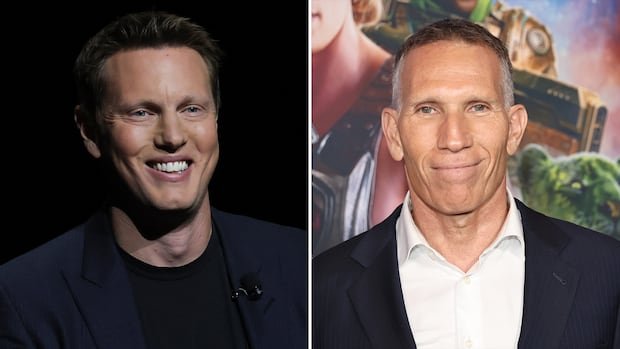
Billionaire David Ellison, alongside new co-CEO Ynon Kreiz, will lead this consolidated entity. The move further consolidates power in an industry already dominated by a few major players. Skydance had previously acquired Paramount for $8 billion US and subsequently set its sights on Warner for an even larger deal.
This acquisition marks one of the largest mergers in the media and entertainment sector, with the Warner purchase totaling nearly $111 billion US, including significant debt. In a statement on Tuesday, Ellison expressed excitement about the historic significance of the deal and the future prospects.
The journey towards this merger involved intense competition, notably between Paramount and Netflix in the early stages. Following a hostile bid by Paramount to acquire Warner, negotiations ensued, eventually leading to a mutual merger agreement in late February.
The Hollywood community had mixed reactions to the merger. While some industry figures expressed opposition, others stood in support of Paramount’s vision for the future of entertainment. The deal also drew attention from U.S. President Donald Trump, who voiced opinions on media ownership changes.
To finance the acquisition, Paramount secured substantial financial backing from Gulf countries, including Saudi Arabia, Qatar, and the United Arab Emirates. The Federal Communications Commission approved this funding arrangement, despite concerns from critics about potential influence from foreign investors.
Antitrust challenges loomed over the merger, with regulatory hurdles being cleared over the summer. However, legal opposition from Democratic attorneys general and the Writers Guild of America led to settlement agreements in September. The terms of these agreements include commitments to boost domestic film production and support workers affected by the merger.
The resolution of these antitrust challenges marked a significant milestone in finalizing the deal, paving the way for the formation of a new entertainment powerhouse in the industry.

