
Amid escalating concerns of a potential Russian strike on NATO territory, the alliance’s top commander emphasized the repercussions of any direct assault, affirming on Monday a resolute commitment to engage in combat if necessary.
However, NATO member nations are grappling with a different, elusive threat that poses a significant challenge and is increasingly infiltrating their airspace undetected.
Suspected Russian drones have breached NATO airspace along its eastern borders in countries like Romania and Poland, prompting multiple interceptions by NATO fighter jets.
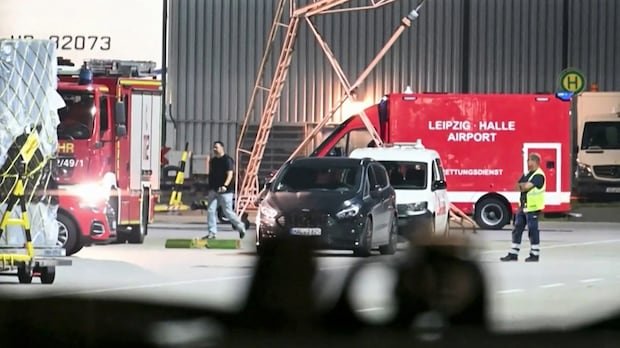
Beyond these known incursions, a multitude of unidentified drones have been sighted over critical installations such as military bases, nuclear facilities, and airports across NATO countries stretching as far west as Germany, Belgium, and France, causing disruptions and exposing vulnerabilities in defense systems.
This unsettling trend bears the hallmarks of a deliberate campaign to sow fear and uncertainty, with indications suggesting a steady growth in the problem.
German authorities have documented over 1,000 suspicious drone-related events since January 2025, averaging about 1.5 incidents daily involving crucial infrastructure, military compounds, and defense enterprises, as reported by the Federal Criminal Police Office.
Additionally, a report from Germany’s air traffic control authority revealed an 80% surge in drone-related disruptions at German airports and airspace from January to August compared to the previous year.
The enigmatic drones frequently spotted across Europe pose challenges in detection and interception, making it difficult to attribute their origins. Nevertheless, defense experts suggest that these occurrences collectively indicate a component of a broader covert Russian strategy.

Ulrike Franke is a senior policy fellow at the European Council on Foreign Relations. (CBC)
Ulrike Franke, a leading drone expert in Europe, highlighted a noticeable rise in drone activities that are likely tied to Russian hostilities toward Europe and its engagements in conflicts with Ukraine and the West.
The Era of Hybrid Warfare
Incidents involving mysterious drones have been ongoing across Europe for years, suggesting a covert form of warfare termed “hybrid warfare,” characterized by unconventional methods to undermine adversaries without triggering open conflict. Recent escalations in such incidents point to a resurgence in their frequency.
Norway reported over 300 drone occurrences this year, resulting in disruptions to airport operations, while the U.K. observed a doubling of drone incidents near military installations in the past year. Belgium also experienced around 150 drone sightings over sensitive locations, according to media reports.
Notably, recent drone sightings led to flight interruptions at Brussels Airport, Luxembourg Airport, and the closure of Berlin’s main airport, underscoring the disruptive impact of these activities.
Elio Di Rupo, a member of the European Parliament, described these incidents as components of a broader hybrid warfare strategy, which also includes cyberattacks, aiming to sow confusion and undermine security in democratic societies.

Elio Di Rupo spoke with CBC News in Mons, Belgium, about

