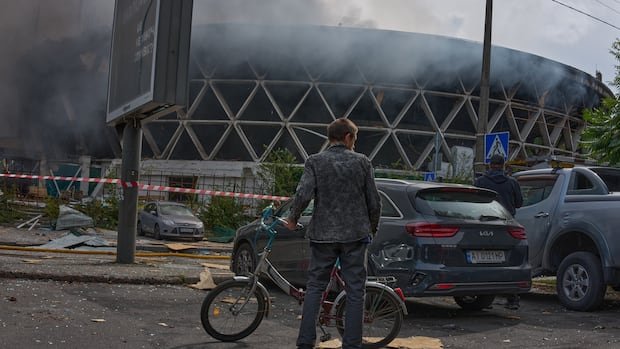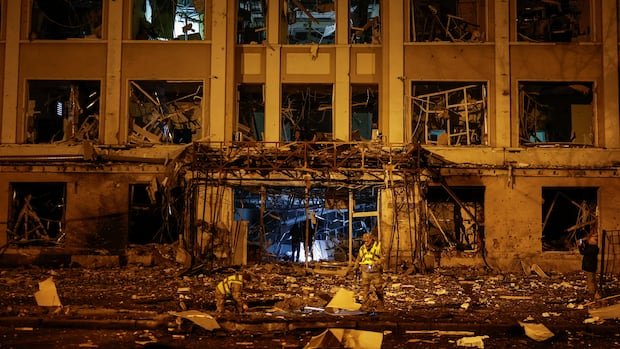
Ukrainian President Volodymyr Zelenskyy disclosed that Russia has initiated fresh assaults on Ukraine’s energy infrastructure employing ballistic missiles and jet-powered drones. He expressed disappointment over the lack of early warning from partner nations that had previously shared intelligence.
Zelenskyy is currently facing challenges following recent decisions by Washington that favor Russian President Vladimir Putin, such as lifting U.S. sanctions on Moscow and engaging in a deal to import diesel from Russia.
Concurrently, discussions between Moscow and Kyiv are ongoing regarding a potential evacuation plan for Oleshky, a city in the southern Kherson region occupied by Russia. The city’s inhabitants, around 2,000 people, have been isolated from essential supplies like food and medical aid for an extended period.
Zelenskyy highlighted that limitations persist on Kyiv’s access to the military-grade version of SpaceX’s satellite internet service, slowing down the operations of Ukraine’s drones along the front despite the recent restoration efforts.
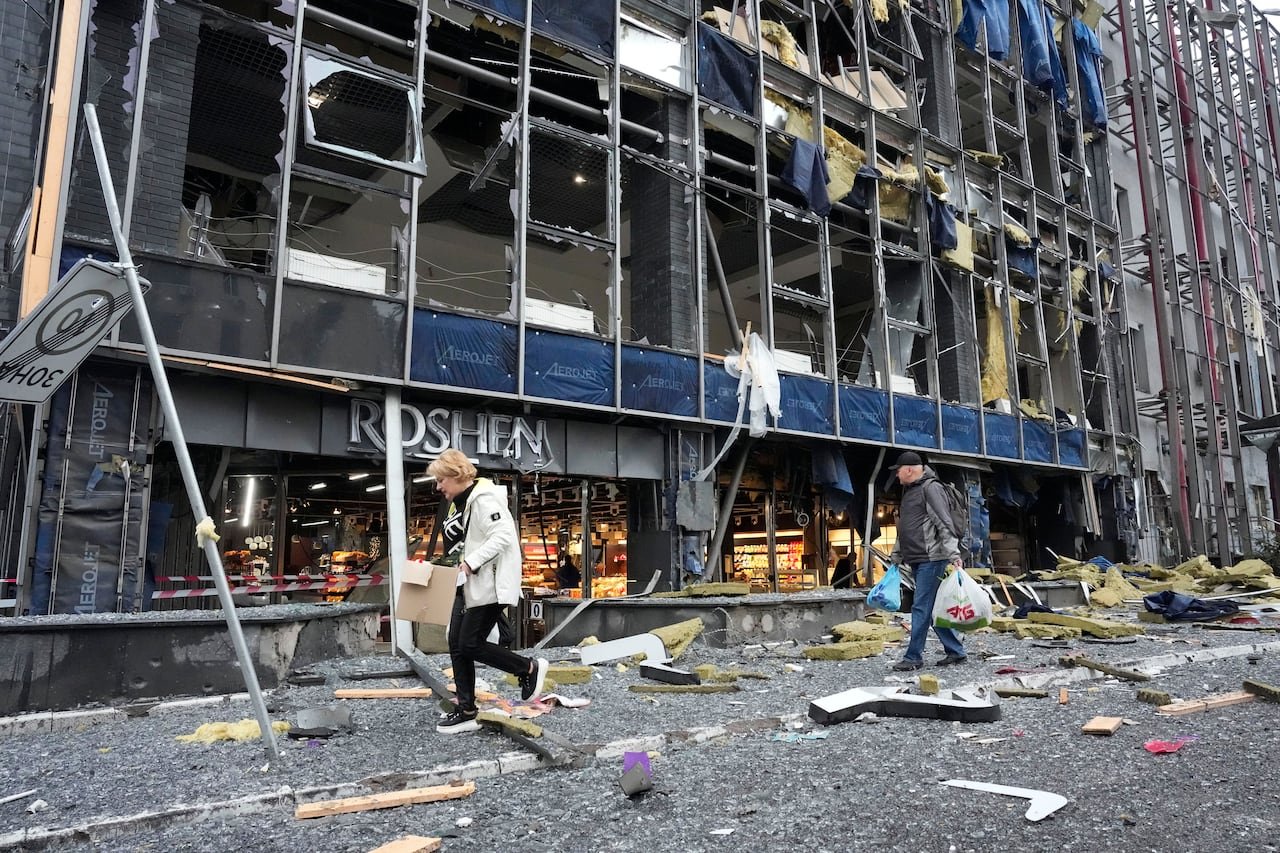
Following a Russian air attack on Monday, individuals in Kyiv are seen carrying their belongings after evacuating their office. (Efrem Lukatsky/The Associated Press)
Moreover, the scarcity of American-made Patriot air defense systems has increased Ukraine’s vulnerability, with delays in receiving crucial supplies from the U.S. prompting urgent efforts by Kyiv officials to bolster their air defenses through collaborations with other nations.
Western intelligence sharing has played a pivotal role in assisting Ukraine in countering Russia’s destructive ballistic missile attacks and hindering Moscow’s attempted full-scale invasion that commenced over four and a half years ago.
U.S. President Donald Trump affirmed that Washington continues to provide intelligence support to Kyiv. U.S. Secretary of State Marco Rubio reiterated this stance, stating a lack of information on the recent Russian assault.
More than 500,000 people without power
Zelenskyy reported on social media that a series of nighttime strikes by Russia targeted 28 substations and critical energy facilities, resulting in over half a million individuals losing access to electricity, heating, and running water.