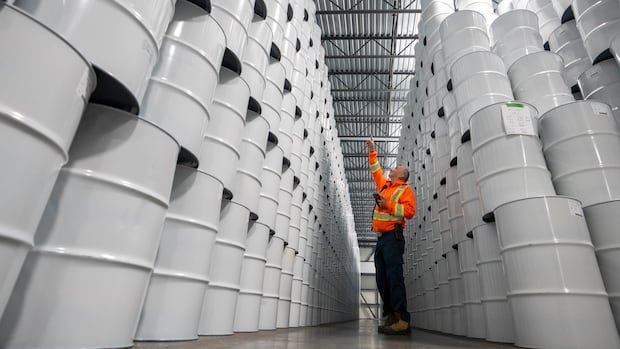
Quebec’s unique maple syrup reserve, equivalent in size to 53 Olympic swimming pools and housed in three warehouses, is facing a depletion crisis, as confirmed by Producteurs et productrices acéricoles du Québec (PPAQ), the organization representing nearly 13,500 maple syrup producers in the province. By the end of February, the reserve is projected to be completely emptied due to surging global demand for Canadian maple syrup, particularly in the United States, the industry’s primary export market valued at $1.2 billion.
Luc Goulet, the president of PPAQ, highlighted the significant increase in exports, emphasizing the urgent need to replenish the strategic reserve while also focusing on expanding the sector to meet escalating demand. The reserve was established in 2000 by Quebec’s maple syrup producers to stabilize supplies and prices, given that the province accounts for 90% of Canada’s maple syrup production and over 70% of global supply.
The reserve, which can hold approximately 60 million kilograms of maple syrup, serves as a buffer during poor harvests, enabling the market to be supplied adequately. However, the current depletion is not due to a bad harvest but rather the result of authorized maple syrup processors in Quebec purchasing the existing reserve stock. This shift is expected to balance out as the overall supply remains consistent with previous years.
The surge in global demand for maple syrup has put pressure on the supply chain, leading processors to secure their supply by purchasing from the reserve. The increased demand is attributed to various factors, including successful promotion of Canadian maple syrup abroad and a growing preference for natural sweeteners. Despite these challenges, PPAQ assures that there are no immediate concerns about market supply in 2027, with processors’ inventories and expanding tap installations across Quebec ensuring stability.
Looking ahead, the prospect of an exceptional maple syrup season remains uncertain. Challenges such as accessing more trees for tapping, competition with other industries for forest access, and the impacts of climate change on harvest periods pose significant obstacles for producers. As the reserve stands empty and uncertainties loom, the industry is navigating through a complex landscape of supply and demand dynamics.
Photo Source: [Link]