
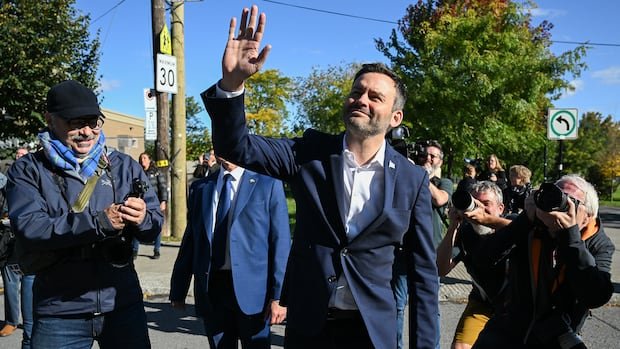
The Parti Québécois is predicted to win the next Quebec government election, although it remains uncertain whether they will secure a majority in the National Assembly. Led by Paul St-Pierre Plamondon, the party gained momentum during the 2022 election, winning only three seats but experiencing a surge in popularity due to dissatisfaction with the current Coalition Avenir Québec administration.
Under St-Pierre Plamondon’s leadership, the Parti Québécois has adopted a more right-leaning stance, focusing on reducing government spending, enhancing French language protection, and decreasing immigration levels. They also aim to lay the foundation for a referendum, planned to take place after the conclusion of U.S. President Donald Trump’s term in 2029.
The party has proposed various initiatives, including a $6.6 billion cut in government spending over five years by streamlining bureaucratic processes, a move criticized by some experts. They plan to reinvest these savings into essential sectors like healthcare and education. Additionally, the Parti Québécois intends to provide immediate relief to consumers by eliminating the provincial sales tax on second-hand goods, reducing Quebec’s gasoline tax temporarily, and expanding benefits under the parental insurance plan.
In terms of healthcare reforms, St-Pierre Plamondon has pledged to eliminate Santé Québec, an agency established by the current government, arguing it creates unnecessary bureaucracy. The party also plans to prioritize local community service centers as the primary entry point into the healthcare system, with a significant investment over four years.
The Parti Québécois aims to curb immigration levels, proposing a cap of 35,000 permanent immigrants per year, a substantial reduction from previous years. They also pledge to reduce non-permanent immigration quotas, a move that may not align with the business community’s demands for increased immigration to meet labor force needs.
Furthermore, the party intends to strengthen language laws by extending the Charter of the French Language to CEGEPs and the children of non-permanent residents residing in Quebec for over 12 months. They also plan to enforce stricter French-language requirements for work permits, linking proficiency to job roles, with exceptions for certain sectors like agriculture.
Amidst these proposals, the Parti Québécois anticipates challenging relations with the federal government, particularly on immigration issues. They are prepared to engage in intergovernmental disputes with Prime Minister Mark Carney’s administration as part of their broader agenda for Quebec’s potential independence.
Moreover, St-Pierre Plamondon has highlighted plans for a potential referendum post-Trump’s presidency, allocating $20 million for preparatory studies and consultations during the initial years in power. However, the likelihood of a referendum hinges on the party securing a majority of seats, given the substantial opposition among Quebecers towards the idea. Convincing a majority to vote in favor of independence will be an uphill battle for the Parti Québécois, especially considering the prevalent skepticism towards such a referendum.

