
For centuries, exploring the ocean depths was limited to deep-sea divers. However, advancements in technology have now made it possible to witness the wonders of the ocean floor through cameras. These cameras not only showcase the beauty of the deepsea but also reveal the stark contrast of barren, lifeless areas, highlighting the impact of human activities on marine ecosystems.
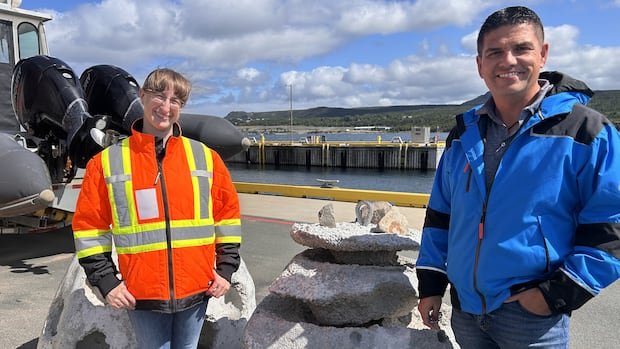
In Newfoundland and Labrador, a team of ocean scientists is spearheading a remarkable project to transform an ocean dead zone into a flourishing marine habitat. Mark Santos, a fisheries technologist at the Marine Institute’s Centre for Sustainable Aquatic Resources, expressed enthusiasm about the opportunity to restore a part of the ocean.
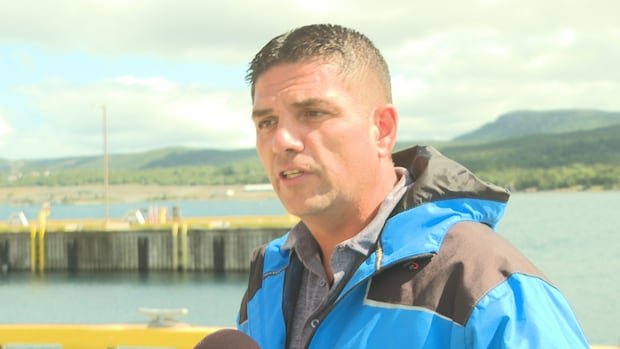
Approximately a year ago, Santos and his team at The Launch, a cutting-edge coastal lab at the Marine Institute in Holyrood, deployed 285 cement reef balls into the bay. These specially designed structures, made from a unique type of cement, facilitate the growth of algae through a process called biofouling, which, in turn, supports marine life.
In collaboration with a major oil company and the government, the Marine Institute initiated the restoration of a seafloor area in Fox Harbour, Placentia Bay, which was previously a desolate environment due to dredging activities.
Santos described the area as barren and likened it to a desert. The ambitious project involved the removal of sediment and the implementation of a remediation plan to rebuild the ecosystem.
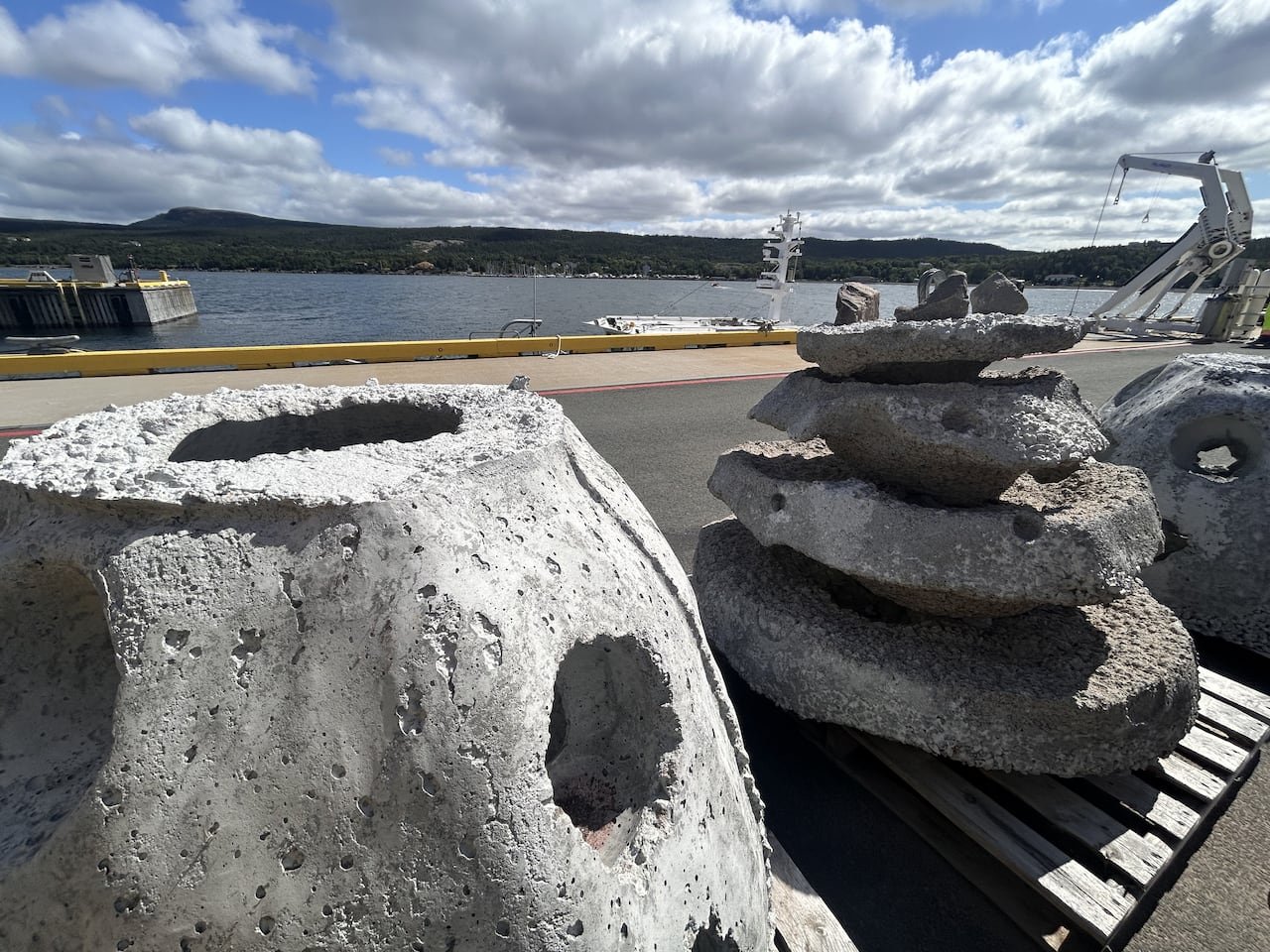
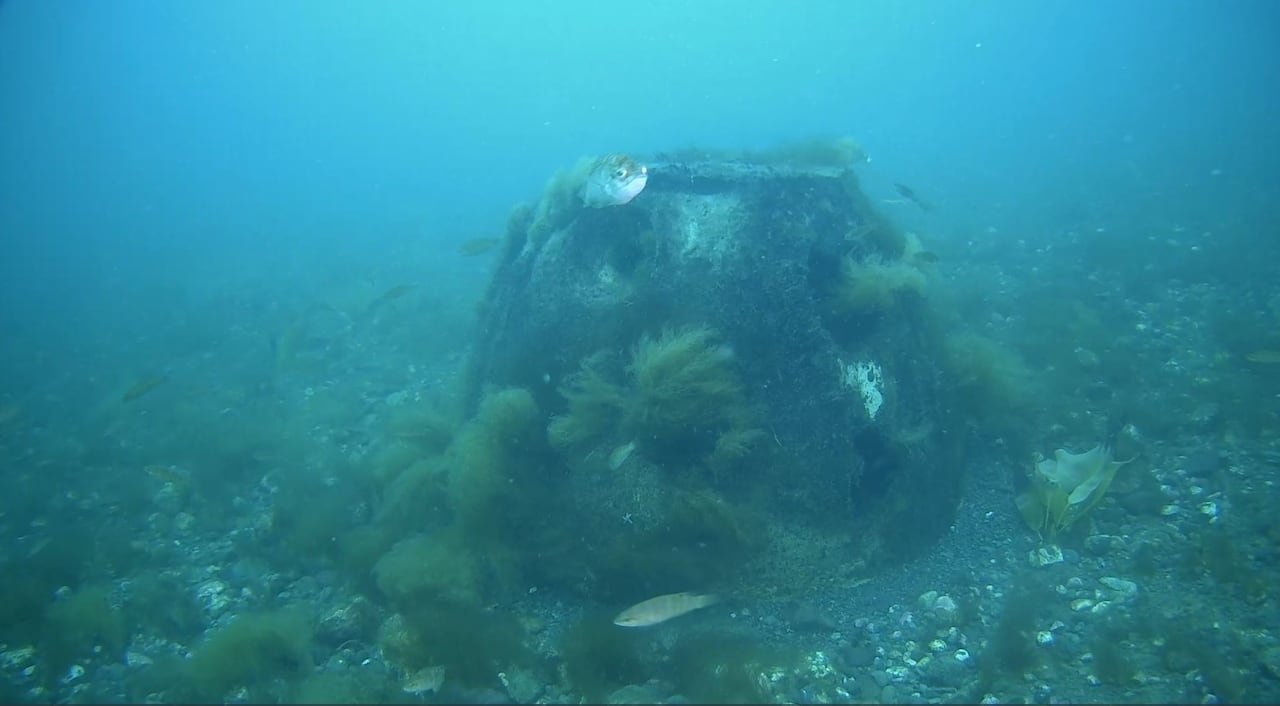
The team installed an underwater camera to monitor the reef balls, observing as algae covered the cement structures, attracting various forms of marine life to inhabit the artificial reefs.
Randell, a project engineer at the Marine Institute’s Centre for Applied Ocean Technology, expressed pride in the positive impact of the project, emphasizing the importance of restoring damaged ocean habitats.
Through ongoing monitoring via underwater cameras accessible on SmartAtlantic.ca, the progress of the artificial marine ecosystem can be observed.
Randell highlighted the essence of her work in ocean science, emphasizing the opportunity to contribute to the restoration of damaged

