

An innovative treatment funded by the NHS has shown “groundbreaking” results in placing lupus, a chronic autoimmune disease, into remission based on trials conducted in the UK.
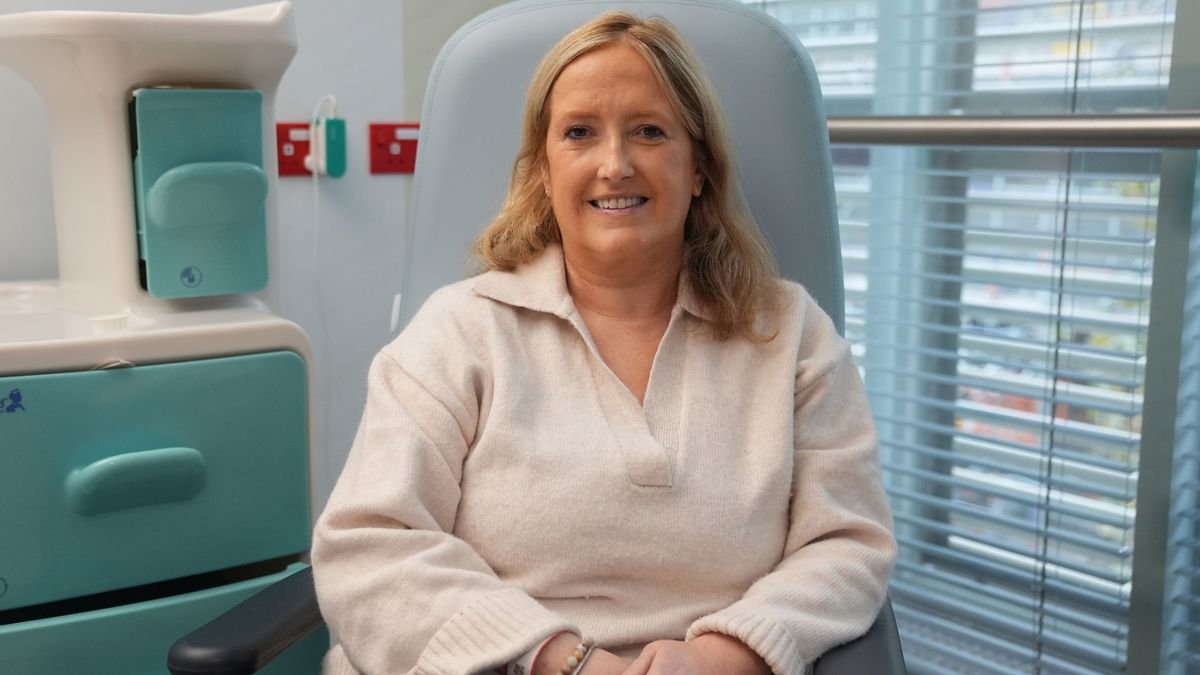
This marks the first instance in the UK where individuals with severe lupus have undergone CAR T-cell therapy, a treatment approach that experts believe could have potential applications for conditions like multiple sclerosis. Notably, this therapy, administered only once, has the potential to transform treatment paradigms, potentially eliminating the necessity for lifelong medication. One of the initial recipients of this treatment, Katie Tinkler, expressed a stark contrast in her life before and after the therapy, describing it as a transformative experience.
Lupus is characterized by the immune system attacking healthy tissues, leading to widespread inflammation and organ damage, particularly affecting organs such as the kidneys, lungs, and heart.
CAR T-cell therapy operates by genetically modifying cells to empower the body’s immune system to identify and combat problematic cells. Previously limited to cancer patients within the NHS, this therapy was recently trialed under the leadership of University College London Hospitals NHS Foundation Trust (UCLH) and University College London (UCL), resulting in remission for five out of six severe lupus patients within a few months post-treatment.
Katie Tinkler, who had been battling lupus since the age of 20, shared her journey of significant suffering, including debilitating pain, fatigue, joint issues, kidney damage, and other complications. However, following the CAR-T therapy at UCLH, she achieved remission and witnessed a remarkable improvement in her quality of life.
Through this treatment, Katie has regained the ability to partake in activities that were previously restricted due to her condition, such as going on a ski trip after a decade and dancing at her daughter’s wedding. She highlighted the significant shift from relying on a multitude of medications to only requiring minimal daily tablets for blood clot prevention and blood pressure regulation.
According to researchers, the therapy’s efficacy lies in potentially enabling an “immune reset” rather than merely suppressing the immune system, a critical aspect in managing autoimmune diseases. Professor Karl Peggs, director of UCLH’s biomedical research center, emphasized the transformative potential of CAR-T therapy to offer a possible cure, albeit underscoring the need for further extensive studies to validate these promising outcomes.
The findings from this trial provide hope for individuals grappling with lupus, indicating a promising path towards potentially achieving a cure for this challenging autoimmune condition.

