

Rising costs for food and shelter have been a focus during the affordability crisis, but recent data from the consumer price index (CPI) reveals that the expenses for maintaining good health have also surged almost as much since overall inflation peaked in June 2022.
The increase in health-care expenses may not be as noticeable to many Canadians, experts suggest. This is partly because some costs are covered by the public health-care system, which is not factored into CPI data, and partly because typical out-of-pocket health expenditures can be sporadic in nature.
While rent and grocery bills are regular and visible expenses, other health-care costs have been on a steep upward trajectory in recent years, according to Andrew Longhurst, a senior researcher at the Canadian Centre for Policy Alternatives (CCPA).
The overall inflation measure, known as all-items CPI, has risen by just over 11 percent since June 2022. In comparison, the category encompassing health and personal care has seen a more significant increase of over 15 percent during the same period, trailing behind shelter costs (over 16 percent) and food prices (almost 19 percent).
Specific health-care services, such as eye exams, physiotherapy appointments, and basic dental care, have seen an 18.5 percent increase in costs since June 2022, nearly equivalent to the rise in food prices.
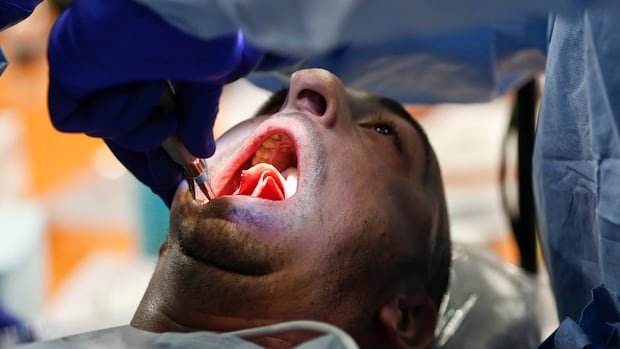
Dental care services and eye care goods have experienced a 20 percent price hike since June 2022, indicative of a divide between the public and private sectors within the health-care industry, as highlighted by Longhurst.
According to Statistics Canada data, the prices of health-care services have consistently outpaced overall inflation for years, with health-care services inflation exceeding overall inflation 85 percent of the time over the past two decades.
One contributing factor to this trend is the cost of skilled labor in the health and dental services sector, where efficiency gains are challenging to achieve, as noted by Jimmy Jean, vice-president and chief economist at Desjardins Group.
For health-care services not covered by provincial health insurance, such as dental care, there are no constraints limiting cost increases, unlike services covered by public health insurance agreements, as explained by Longhurst.
Private health-care spending in Canada is on the rise, growing at a faster rate than public spending, as indicated by a recent analysis by the Canadian Centre for Policy Alternatives. This growing private burden may pose challenges for individuals less financially equipped to handle additional costs, leading to potential disparities in access to care based on income levels.
In light of these trends, it is essential for governments to address gaps in access to care and rising health-care costs to ensure equitable access to essential services for all Canadians.

