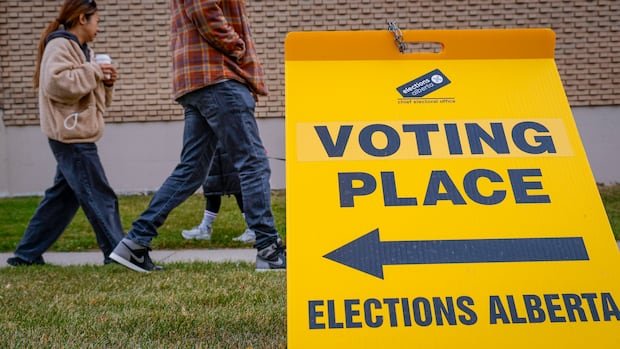
First Nations leaders are attributing a significant win for treaty rights and unity in Alberta’s separation referendum to a surge in voter turnout within their communities. Despite some challenges reported at polling stations, Jay Telegdi, Treaty 8 campaign manager, revealed that many First Nations individuals encountered issues such as delayed openings, ballot shortages, and identification problems which led to some being denied the opportunity to vote. Telegdi emphasized that this was a widespread problem affecting numerous regions across the province.
Elections Alberta acknowledged the high turnout from First Nations communities, stating that the shortage of ballots indicated a positive increase in voter engagement, with more communities participating compared to previous years. Telegdi indicated that the referendum witnessed the highest Indigenous voter turnout in Alberta’s history, calling on Prime Minister Carney to acknowledge and appreciate the pivotal role played by First Nations.
Chief Sheldon Sunshine of Sturgeon Lake Cree Nation expressed satisfaction with the referendum results, highlighting a record turnout within their community. However, Sunshine cautioned that challenges persist, particularly in dealing with a government that has historically not been supportive of First Nations interests. He expressed hope for a change in government leadership and raised concerns about ongoing issues such as pipeline development.
Former AFN National Chief Matthew Coon Come urged Canada to address the concerns of First Nations following the referendum, emphasizing the need for fair treatment and resolution of longstanding grievances. Coon Come stressed that ignoring these issues would only deepen divisions within the country.
In response to the referendum outcome, AFN’s current National Chief, Cindy Woodhouse Nepinak, commended the chiefs for rejecting a proposal that could have led to unnecessary turmoil and uncertainty. Chiefs are now focusing on the upcoming First Nations-First Ministers Meeting in Ottawa to amplify their voices and continue advocating for their communities.