

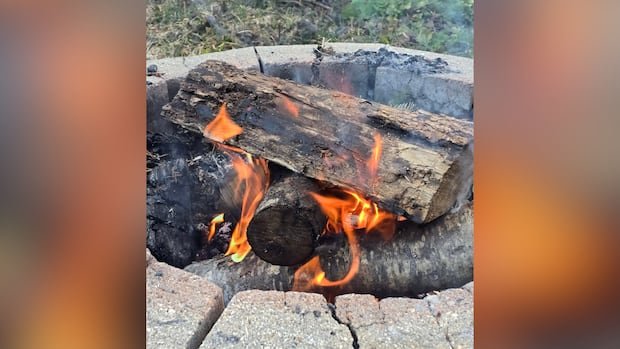
A fire prohibition zone that was enforced in northwestern Ontario and a small area of the northeast since July 15 is scheduled to be removed Thursday morning. The Ontario Ministry of Natural Resources (MNR) intends to officially rescind the order at 12:01 a.m. ET.
During a fire prohibition zone, all open-air burning, including campfires, is prohibited. Once this restriction is lifted, individuals will be permitted to start fires no earlier than two hours before sunset and must extinguish them no later than two hours after sunrise. However, specific regulations on fire ignition times exist in some municipalities like Thunder Bay.
The MNR appreciates the efforts of the public in the province for aiding in the prevention of wildland fires and ensuring community safety. The ministry urges caution and compliance with Ontario’s Outdoor Fires Regulations as detailed on the provincial forest fire website.
The situation will continue to be monitored for wildfire hazards, and a reintroduction of the RFZ designation may occur in high-risk areas if deemed necessary based on fire hazard and activity levels.
The restrictions were imposed at the peak of wildfire occurrences in the region, leading to over 2,800 individuals being displaced from multiple communities. Current figures indicate that slightly over 700 people are still under evacuation.
Approximately 110 wildfires are currently active across the province, with seven remaining uncontrolled. As forest fire risks have significantly decreased, the evacuation and implementation orders for wildfires such as Thunder Bay 36, Thunder Bay 56, Dryden 34, and Dryden 35 will also be lifted on Thursday at 9 a.m.
This development allows for the resumption of travel and access to roads and lakes in these regions, enabling more than 600 evacuees from Whitesand First Nation and Armstrong to return home officially.
The Thunder Bay Ontario Provincial Police (OPP) announced increased patrols on Highway 527 and in Armstrong and Whitesand First Nation to facilitate the safe return of residents following the updates to the MNR’s orders.
Kevin Anderson, the division chief of fire prevention at Thunder Bay Fire Rescue, mentioned that Thunder Bay will lift its municipal fire ban coinciding with the removal of the RFZ on Thursday. However, other communities may choose to retain their fire bans.
Residents are advised to consult their local fire departments to confirm if municipal fire bans are still in effect in their areas. Anderson emphasized that wildfire risks persist until October 31, and the situation can change rapidly.
While recent rainfall has improved conditions, precautions are still necessary due to the previous dryness of the ground. Individuals are reminded to be vigilant and avoid starting wildfires. Additionally, they must obtain a fire permit and ensure a minimum distance of two meters from combustible materials when burning fires.
The interactive forest fire map online for Ontario provides the most up-to-date information on active wildfires and forest fire risks.

