

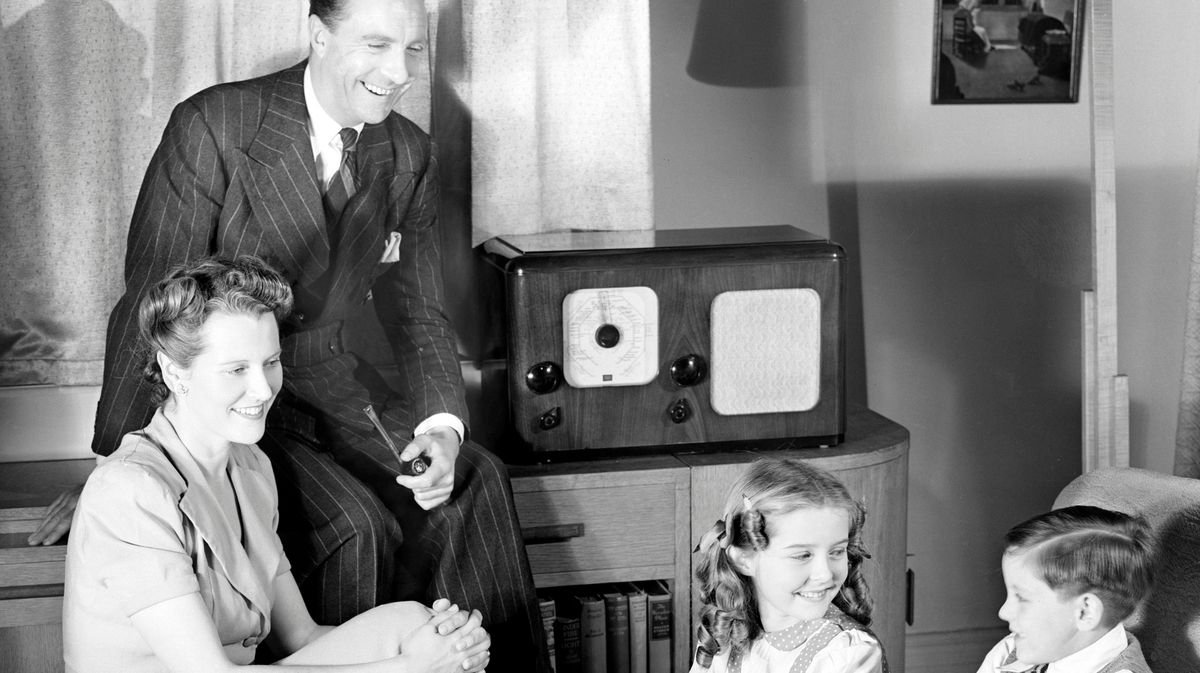
The iconic long wave transmissions, home to the Shipping Forecast and Test Match Special, bid farewell this week as the final broadcasts signalled the end of an era. Developed by Guglielmo Marconi in the early 20th century, the low-frequency LW signal was renowned for its ability to cover vast distances, facilitating national broadcasts.
The BBC’s venture into LW technology began in 1925, coinciding with the inception of the Shipping Forecast. By 1934, a dedicated broadcasting site in Droitwich, Worcestershire, complemented existing locations in Westerglen and Burghead. Initially used for the National Programme and later the Home Service, LW broadcasting played a crucial role during World War II, captivating millions with Winston Churchill’s speeches.
Dr. Graham Majin, a media specialist, reflected on the significance of LW transmissions, highlighting the uniting power of shared listening experiences. The advent of LW radio revolutionized broadcasting in the early 20th century, enabling nationwide coverage and fostering a sense of collective engagement.
Despite its historical importance, the BBC made the decision to cease LW transmissions due to cost considerations and technological advancements. The final Shipping Forecast aired on June 27, marking the end of a 92-year broadcasting legacy. As the UK transitions towards a digital future, FM broadcasting remains a prevalent alternative, reaching the majority of households.
While the closure of LW transmissions has sparked nostalgia and concern among enthusiasts, the BBC assured continuity of Radio 4’s programming through other platforms. Despite the shift towards digital mediums, some, like Graham, emphasize the enduring appeal of analog technologies and the unique experiences they offer.
As the curtain closes on LW transmissions, efforts to preserve iconic broadcasting masts like those in Droitwich have gained momentum. While the closure of LW was anticipated for years, its legacy lives on in the memories of listeners who once tuned in to the crackling waves of long-distance broadcasts.

