

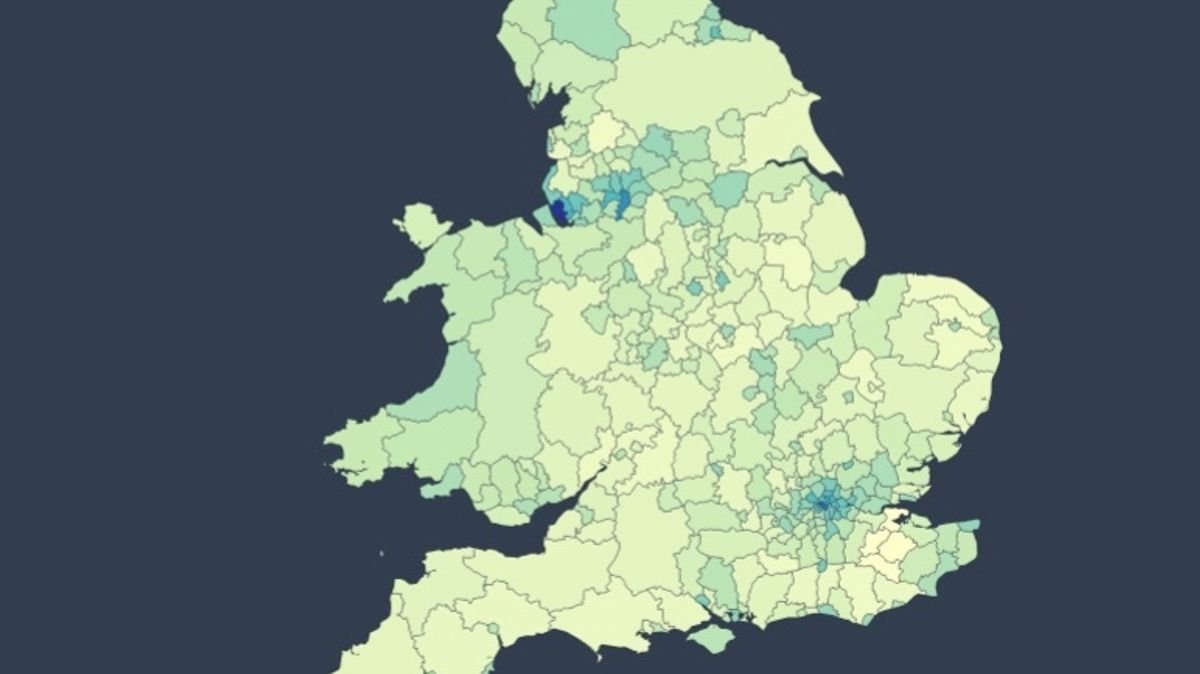
Recent data shows a significant rise in drug-related crimes across various regions in the country, highlighting specific areas with escalated issues. While most crime types have decreased over the past year, drug offenses have surged by 18%, totaling over 230,000 incidents involving drug trafficking or supply, often associated with criminal organizations. The Home Office statistics indicate that drug crimes are most rampant in urban areas, particularly in the Northern regions.
The data reveals that certain locations report more than 20 drug crimes daily, some of which involve violent acts perpetuated by criminal gangs in relation to drug activities. Notably, Liverpool experienced 7,770 drug crimes in 2025, marking a 19% increase from the previous year, the highest number recorded in England and Wales. This translates to over 20 drug offenses daily or one every 68 minutes.
In Liverpool, recent incidents include two shootings in the Toxteth area, reflecting an uptick in gang violence and turf conflicts. In a tragic event, 19-year-old Ellis Cox lost his life near the Liverpool Loop Line due to a turf war between rival drug gangs, despite having no criminal involvement. Investigations revealed the weapon used in Ellis’s murder had been linked to previous incidents.
Outside Liverpool, other cities also saw a surge in drug crimes, with Manchester recording 6,631 incidents (a 31% increase), Birmingham with 4,680 cases (up by 23%), and Leeds with 3,114 offenses (a 7% rise). Liverpool stands out with the highest crime rate, reporting 15 drug offenses per 1,000 residents, followed by Westminster, Manchester, Islington, and Knowsley.
The rise in drug-related offenses has prompted law enforcement to intensify efforts against criminal activities, especially in combating “county lines” gangs and disrupting drug supply chains. The implementation of the “Clear Hold Build” framework, aimed at tackling organized crime, has contributed to significant arrests, charges, and convictions across the country.
Assistant Chief Constable Andy Ryan of Merseyside Police emphasized the proactive measures taken to address drug crimes, citing a 13% increase in drug-related offenses within the force. The focus on targeting offenders has led to a higher detection rate, reflecting the commitment to tackling drug-related issues effectively.
High levels of drug crime not only pose direct threats but also contribute to other criminal behaviors like violence and intimidation, particularly in gang conflicts over territories. To address these challenges, law enforcement agencies are collaborating through multi-agency frameworks to tackle organized crime and promote community safety.
Deputy Chief Constable Gunney, the National Serious Organised Crime lead, highlighted the importance of connecting specialized officers with community teams to address escalating criminal behaviors effectively. The efforts made under the “Clear Hold Build” initiative have shown promising results in combating organized crime and improving public safety.
Efforts to combat drug-related crimes are ongoing, with a focus on disrupting criminal networks and ensuring the safety and security of communities. Stay informed about the prevalence of drug crimes in your area using available resources and support initiatives aimed at creating safer neighborhoods.

