

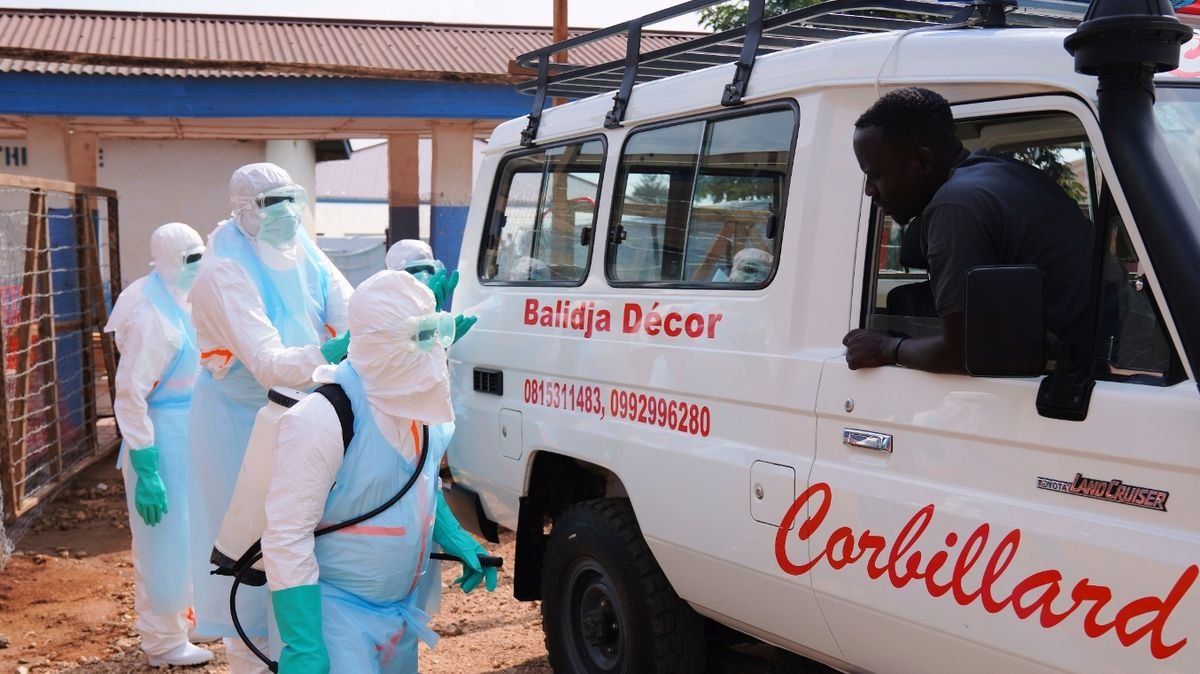
A significant development has occurred with the death toll surpassing 1,000 individuals in the midst of a swiftly spreading Ebola outbreak that has unsettled global healthcare professionals.
Dr. Jean Kaseya, the head of the Africa Centres for Disease Control and Prevention, has provided an update indicating that 1,031 fatalities have been confirmed in the ongoing crisis gripping the Democratic Republic of Congo. This outbreak is the quickest Ebola epidemic in recorded history, facing challenges in containment due to conflict, community resistance, and inconsistent responses across different provinces.
Dr. Kaseya emphasized the urgent need for vaccines, medication, and funding to address the escalating death toll. The latest figures from the Congo’s Ministry of Health reveal 2,437 recorded cases, with 737 patients under isolation or hospital care.
Distinguished by its origin from the Bundibugyo virus, this outbreak, declared on May 15, is proving to be more lethal due to the absence of approved vaccines or treatments, causing over 100 deaths in the initial week of July. This 17th outbreak in the DRC has claimed lives at an unprecedented rate, outpacing previous epidemics including the devastating 2013-2016 outbreak that resulted in over 11,000 deaths from at least 28,000 cases.
The World Health Organization has cautioned that the true magnitude of the outbreak may be significantly higher than reported figures, attributing this discrepancy to challenges in accessing communities in the epicentre, particularly in Ituri province, due to ongoing conflict and hostility towards healthcare workers.
Ebola, a rare yet highly contagious disease, primarily spreads through contact with bodily fluids of infected individuals or contaminated materials. Concerningly, 80% of new cases are emerging outside known transmission chains, signaling a rapid spread beyond officials’ tracking capabilities.
Despite the grim outlook, experts are mobilizing responses to contain the outbreak, although facing obstacles such as poor coordination among response agencies, delays in patient transfers, and prolonged waiting times for test results, exacerbating the risk of transmission.
Efforts to combat the disease are encountering resistance from local communities, leading to violence in the worst-hit regions, hindering response efforts. Challenges persist in conducting safe burials and monitoring suspected cases, emphasizing the critical need for enhanced containment measures to avert a further escalation of the crisis.
The global impact of the outbreak is underscored by cases detected outside Africa, including confirmed instances among medical professionals. Vigilance and swift response remain paramount in curbing the spread of the virus and protecting vulnerable populations worldwide.

