
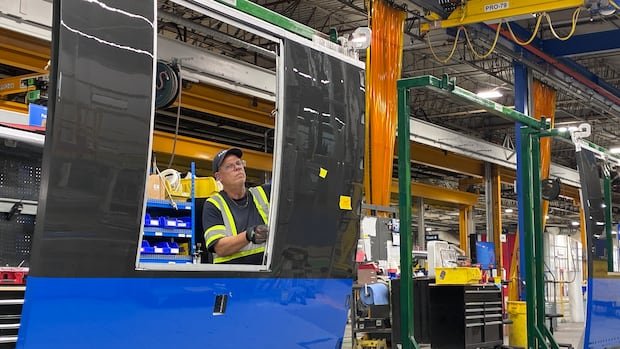
Claude Michaud finds hope in the bustling sounds of machinery, welding, and clanging steel at the train manufacturing facility where he has been employed for over three decades. Situated in La Pocatière, Quebec, the Alstom plant has weathered periods of layoffs and inconsistent production in the past twenty years. However, with a surge in new Canadian projects, the plant is expanding its operations and gearing up to recruit more workers.
Expressing satisfaction in constructing trains domestically for Canadian citizens, Michaud remarked, “There’s a positive shift happening.” Alstom, a French company with its Americas headquarters in Saint-Bruno-de-Montarville, Quebec, is witnessing an influx of orders due to governmental initiatives favoring Canadian procurement. The acquisition of Bombardier’s rail-building division in 2021 further bolstered the company’s position.
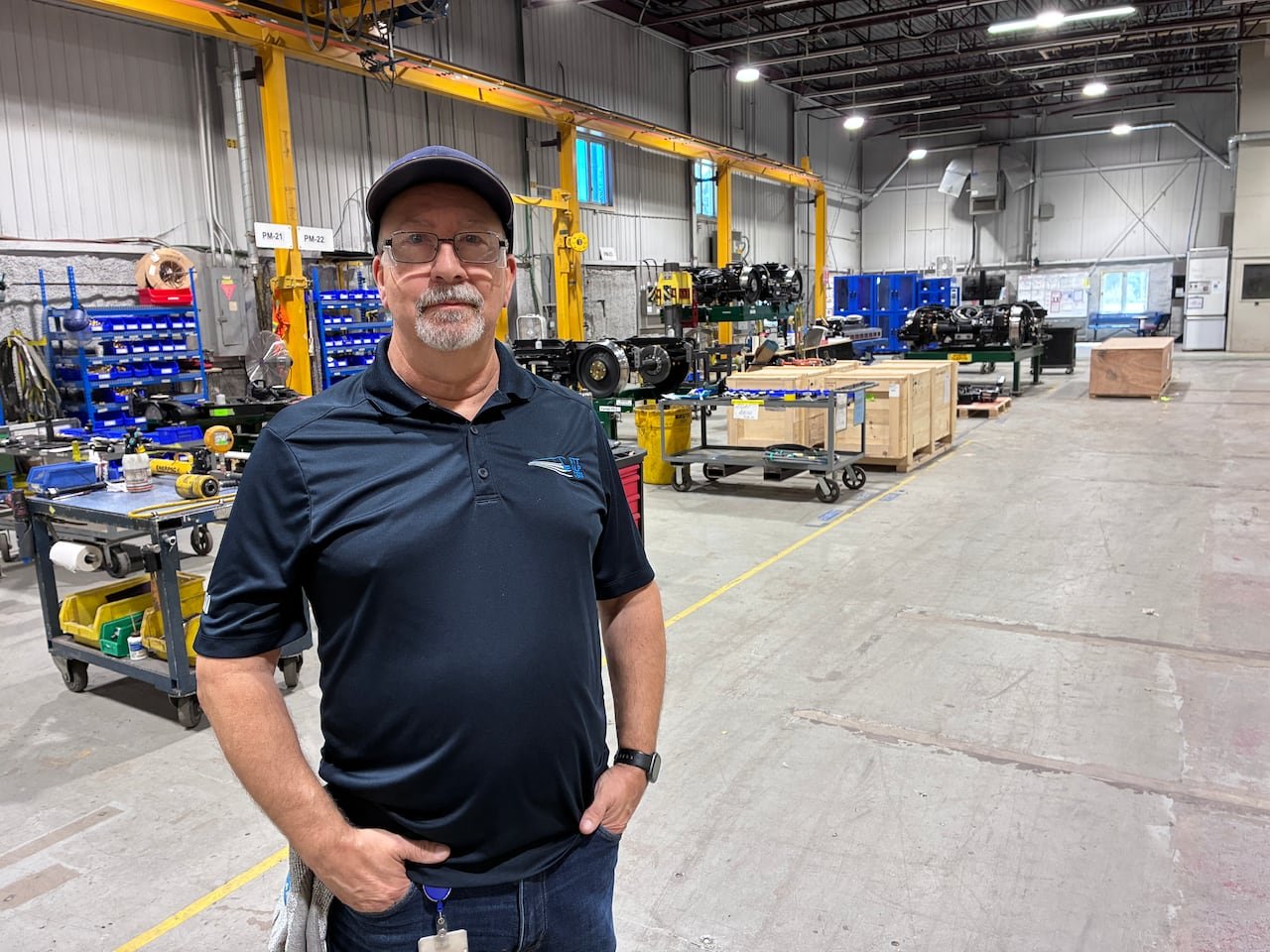
Alstom is currently involved in various projects, including manufacturing rail cars for Vancouver’s SkyTrain, subway trains for the Toronto Transit Commission, and vehicles for a new Quebec City tramway. The company is gearing up to commence work on a substantial $4.7 billion contract to produce long-distance passenger cars for VIA Rail.
Situated 140 kilometers northeast of Quebec City, the La Pocatière plant has historically been a key employer and economic driver in the region. However, its heavy reliance on export projects, mainly for the United States, led to a significant reduction in its workforce from over 1,000 employees in the 1990s to around 150 in 2021. The recent increase in staff to approximately 550 signals a revival and growth trajectory for the company.

Transitioning Towards Canadian Procurement
Olivier Marcil, Alstom’s vice president of public affairs for Canada, pointed out that the increasingly protectionist manufacturing policies in the U.S. have limited market access for Canadian manufacturers. The U.S. Federal Transit Administration’s Buy America policy mandates the use of domestically manufactured materials and final products for projects funded by the federal government, affecting Canadian companies.
Marcil emphasized the need for Canada to align with other countries in protecting and nurturing its manufacturing sector to compete effectively in the global market.
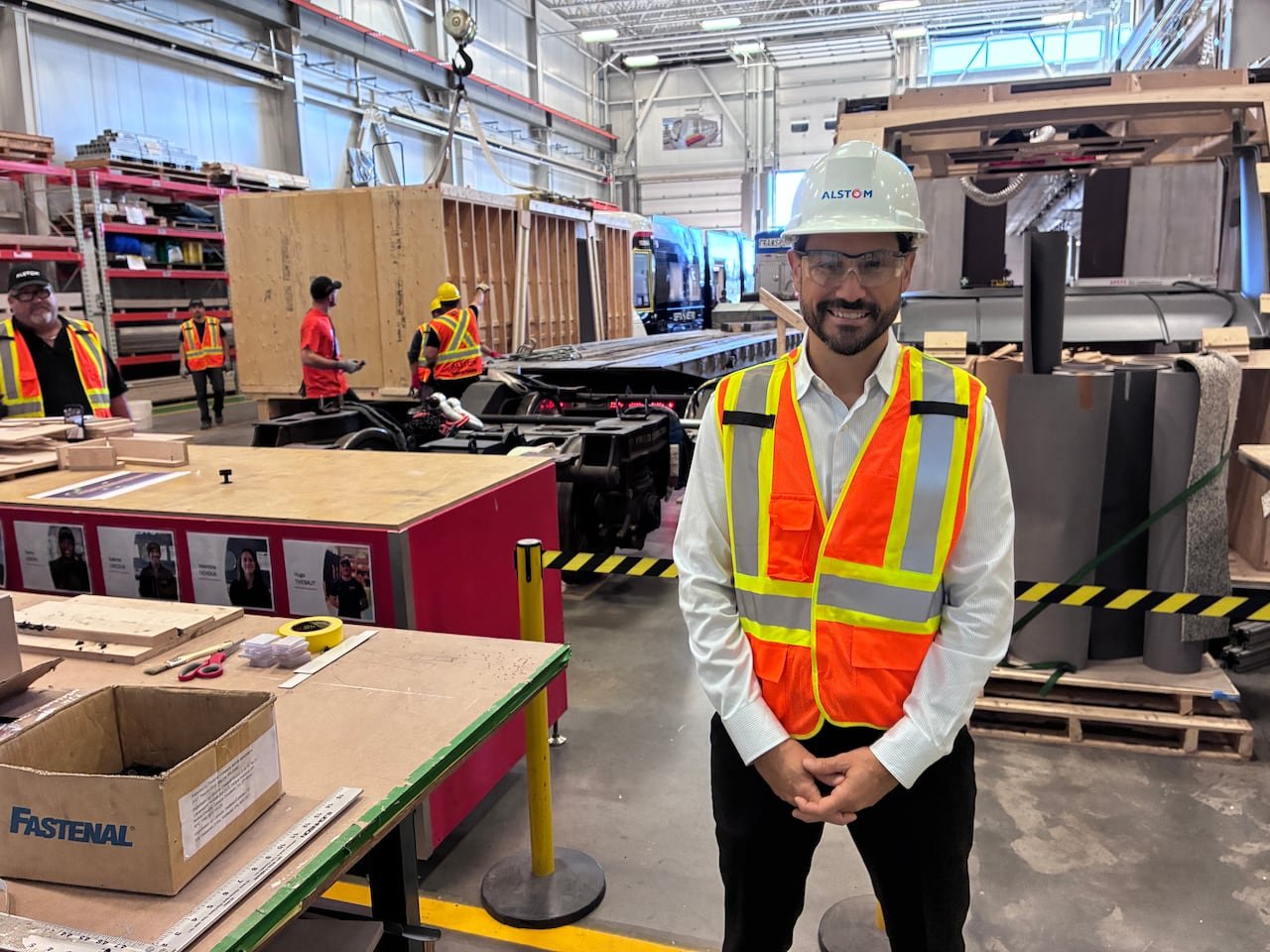
Reviving Manufacturing Capacities
Dan Breznitz, a professor at the University of Toronto’s Munk School of Global Affairs and Public Policy, highlighted the challenges of revitalizing manufacturing sectors like rail in Canada. He stressed the importance of strategic investments in

