

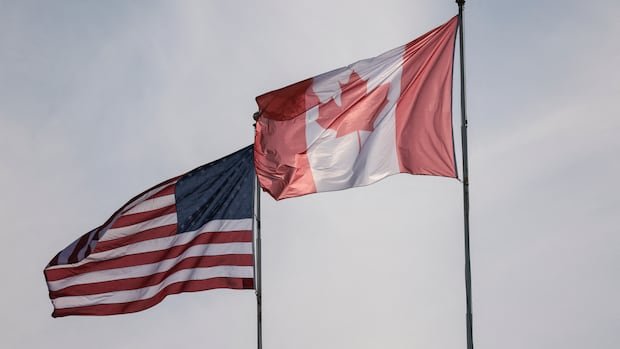
Canada and the United States are currently engaged in a severe trade dispute, with potential repercussions that could significantly impact individuals. Recent trade talks between the two countries broke down, leading to the imposition of 50% tariffs by the United States on $27.6 billion worth of Canadian goods. In retaliation, Prime Minister Mark Carney announced corresponding counter-tariffs on $27.6 billion worth of similar U.S. products, scheduled to come into effect on September 8th.
President Donald Trump escalated the situation by threatening additional tariffs, proposing to raise levies on Canadian automobiles, trucks, auto parts, and steel from 25% to 50% starting January 1, 2027. Neither side has shown any signs of backing down, prolonging the standoff and increasing the potential impact on Canadians. To assist workers and businesses affected by the new tariffs, the Canadian government announced a $7.5 billion support package.
As tensions rise, journalists in Washington, including Willy Lowry, Katie Simpson, and Paul Hunter, delve into the escalating trade war’s potential severity and what it would take to resume negotiations between the two nations. The situation is expected to present challenges for Canadian businesses, with the need for increased government support for those facing adverse effects such as layoffs or reduced working hours.
The trade conflict’s implications are becoming more tangible, prompting discussions on how Canadian consumers can support local products and businesses. The imbalance in population sizes between Canada and the U.S. underscores the economic interdependence, emphasizing the importance of the American market for Canadian prosperity. As the trade dispute continues, Canadian companies and employers are likely to face mounting difficulties.
While past tariffs have been partially mitigated over the last year or so, the current situation presents new challenges that could strain the Canada-U.S. relationship further. The shifting dynamics underscore the need for Canadians to demonstrate resilience and unity in navigating the trade war’s impact. The evolving scenario may test Canadians’ resolve and their ability to influence government decisions in response to external pressures.

