

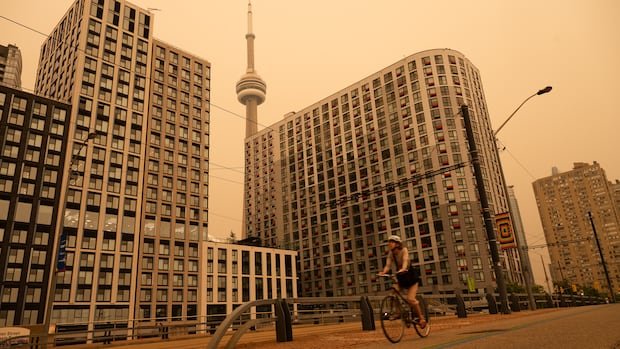
A recent report on climate change suggests that Canadians must prepare for a future that could be 5 degrees Celsius warmer. The second edition of Canada’s Changing Climate Report highlights the significant impact of human activities, particularly the burning of fossil fuels, on the planet’s warming. This report, released by the federal government, provides insights into potential scenarios based on different levels of global climate action.
According to the report, if current climate policies are maintained globally, Canada is expected to experience intensified warming, leading to a significant temperature rise of 5 degrees Celsius throughout this century. In specific regions like Nunavut, winter warming could surpass 10 degrees Celsius. The report also indicates that glaciers in western Canada may lose over 75% of their ice, with a high probability that the central Arctic Ocean could be ice-free during most Septembers.
Furthermore, the report forecasts increased challenges in southern Canada, where the majority of the population resides. It predicts longer, more intense summer droughts, as well as a rise in the frequency and intensity of flash flooding and atmospheric rivers. The length of the fire season is also expected to increase across most parts of the country.
Despite the alarming projections, the Canadian Climate Institute emphasizes that the 5-degree Celsius warming is not inevitable, stressing the importance of taking immediate action to reduce emissions. The institute highlights the significance of cutting emissions both in Canada and globally to determine whether the country will face a future with more than 5 degrees Celsius of warming or a more moderate increase of 3.5 degrees Celsius.
The institute underscores that every degree of warming avoided can save lives, protect communities and livelihoods, and yield substantial economic benefits for Canada. It emphasizes that the choices made now regarding emissions reduction will have a profound impact on the future climate trajectory of the country.
In response to the report, a climate advocacy group called for accelerated efforts to reduce emissions, drawing connections between climate change and recent extreme weather events like the flash floods in Toronto. The group emphasized the urgent need for action to combat climate change and build a more sustainable future.
Canada’s environment minister reaffirmed the country’s commitment to reducing emissions and achieving net-zero status by 2050. The government aims to address climate change while promoting energy security, industrial capacity, and strategic autonomy to shape the nation’s future in the face of climate challenges.

