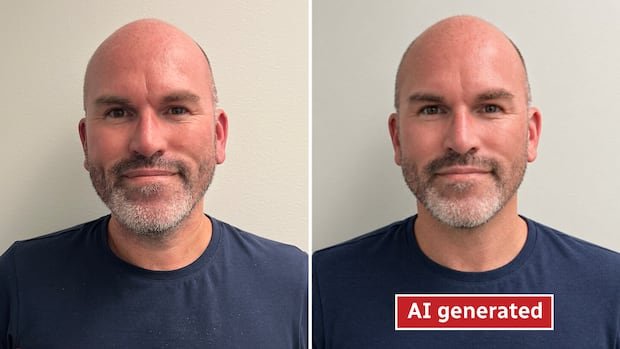
Dr. Ian MacArthur, a cosmetic surgeon in Ottawa, is noticing a growing trend of patients arriving at his clinic with unrealistic expectations fueled by AI-generated images. These patients bring in highly stylized photos created by artificial intelligence, hoping to achieve results that may not be realistically possible through surgery.
The British Association of Aesthetic Plastic Surgeons (BAAPS) has raised concerns about the emergence of “AI face,” where patients present flawless, AI-altered images of themselves, believing that these transformations can be replicated through cosmetic procedures. Dr. Nora Nugent, president of BAAPS, warns that following such unrealistic images could compromise safety and well-being.
A survey conducted by BAAPS revealed that around 15% of plastic surgeons are encountering instances of patients bringing in AI-generated images during consultations more frequently. These AI images often conceal additional enhancements like a sharper jawline or smoother skin, not immediately disclosed to patients.
In an experiment, CBC News tested three generative AI platforms using a journalist’s photo to simulate a facelift. While one platform refused to create unrealistic images, another suggested additional procedures beyond the facelift, emphasizing the need for consulting a certified plastic surgeon for accurate assessments.
Dr. Nugent stresses that AI lacks the ability to consider an individual’s unique anatomy, which can significantly impact surgical outcomes. She warns of the risks associated with unrealistic alterations, emphasizing the importance of understanding the limitations of cosmetic surgery in achieving natural and safe results.
While some experts believe AI tools can aid in visualizing potential outcomes before surgery, concerns remain about the potential for overpromising results. Dr. Michael Weinberg cautions against unrealistic expectations and emphasizes the importance of seeking reputable and experienced plastic surgeons to avoid complications and disappointment.
Ultimately, Dr. MacArthur highlights the importance of clear communication with patients regarding achievable outcomes and the potential pitfalls of unrealistic expectations fueled by AI technology. While AI tools can facilitate communication, it is crucial for patients to have a realistic understanding of what cosmetic surgery can and cannot achieve.