
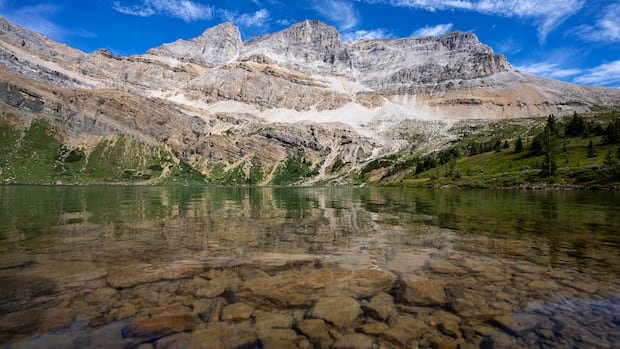
In the event that Alberta pursues secession from Canada, extensive negotiations would likely ensue, with a dedicated focus on the Town of Banff. This popular tourist destination presents a unique governance situation, located on federal parkland leased by the town since its incorporation in 1990. While residents own their homes, the land is leased from the federal government. The provincial government manages local services like hospitals and schools, yet federal authority holds veto power over many municipal decisions, making governance complex.
With the upcoming referendum on Alberta’s potential separation from Canada on October 19, concerns about the future are mounting among Banff’s approximately 8,000 residents. Similarly, the Town of Jasper, situated in a federal park in Alberta, faces comparable challenges. The implications of such a seismic shift are significant, with questions arising about land claims, treaty negotiations, asset division, and financial responsibilities.
Even if Albertans were to vote for secession, legal hurdles stipulate that Canada’s agreement is essential for a province to leave, as per a 1998 Supreme Court ruling outlining the separation process. Given the intricate nature of such negotiations, drawing parallels to historic instances like the dissolution of Czechoslovakia or the Nisga’a Agreement, the process could span several years.
Banff Mayor Corrie DiManno has urged residents to vote against separation, highlighting the longstanding partnership with Ottawa on critical issues such as conservation, wildfire prevention, and housing. Concerns loom over the potential impact of secession on tourism, employment, and community ties in Banff, emphasizing the significance of unity within Canada.
The Indigenous perspective, particularly from the Stoney Nakoda Nations, underscores the deep-rooted connection to the land and the sacred significance of places like Tunnel Mountain. The Treaty 7 agreement, established over 149 years ago, holds vital importance for Indigenous communities, requiring their consent in any negotiation process related to land use.
As the debate on Alberta’s potential separation continues, the voices of various stakeholders, including Indigenous groups, resonate in the discourse, emphasizing the need for inclusive dialogue and respect for historical treaties. The complexity of these issues underscores the importance of considering all perspectives and engaging in meaningful discussions to navigate the path forward.

