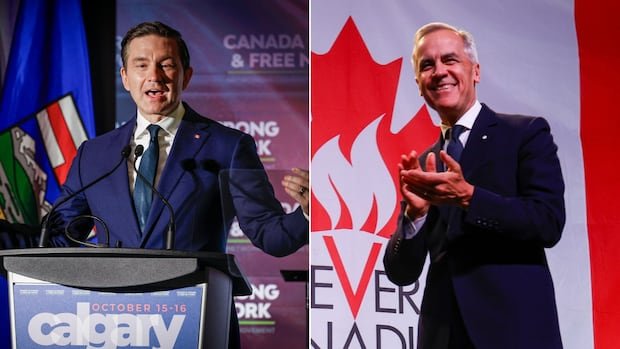
In the days leading up to the Alberta referendum, both federal Liberals and Conservatives are aligned in their goal of solidifying the province’s position within Canada.
On Monday, Albertans will cast their votes to determine whether they wish to retain their status as a province in Canada or move towards initiating a binding referendum on separation.
The government and the Official Opposition have been actively campaigning, urging Albertans to decisively choose to remain part of Canada.
Prime Minister Mark Carney led a rally in Calgary, emphasizing the importance of a clear outcome to resolve the issue. Conservative MP Dane Lloyd echoed this sentiment in an interview, stressing the need for a strong vote in support of a united Canada.
According to Liberal MP Corey Hogan, the key measure of success is not a specific threshold but rather a collective acknowledgment among political stakeholders in Alberta that such discussions should not resurface in the future.
Recent polling by Abacus Data indicates that a majority of voters favor Alberta remaining a province of Canada. However, the survey suggests that many anticipate the referendum may not fully resolve the matter, with a significant portion expecting future votes on the issue.
Hogan, representing Calgary Confederation, acknowledges the enduring separatist sentiment in Alberta and the necessity of addressing the concerns fueling it.
The prevailing sentiment among voters is not solely about the referendum outcome but also about the broader implications for Alberta’s relationship with Canada and the need for deeper introspection on how the province reached this point.
The ballot for Monday’s referendum includes ten questions, with the first nine focusing on topics like immigration and constitutional reform. Alberta Premier Danielle Smith advocates for a “yes” vote on these questions, while Carney urges Albertans to reject them.
Conservatives have primarily concentrated their efforts on the separation referendum issue, while the Liberals emphasize the importance of constructive federal-provincial dialogues on immigration without resorting to divisive tactics.
Overall, the referendum holds significant implications for Alberta’s future within Canada, prompting a reassessment of the province’s place in the country’s political landscape.